 STRIVESOCK
Specialty Retailers
Add a focused sock assortment aligned with your category and customer.
Choose established sock styles for retail resale. Confirm current availability, case packs and buying terms before placing an order.
Built for boutiques, specialty retailers, ecommerce stores and distributors sourcing a focused assortment without starting a custom-development program.
Browse → Choose → Test → Reorder → Expand.
Wholesale starts with existing product directions and the buying details for each selected style. Use the current line sheet to assess availability and terms, then test a focused range and reorder what sells.
Add a focused sock assortment aligned with your category and customer.
Test retail-friendly styles without building every product from zero.
Launch products quickly and use customer response to guide reorders.
Enter the sock category with a lower-complexity buying route.
Source organized product ranges with repeat-order planning in mind.
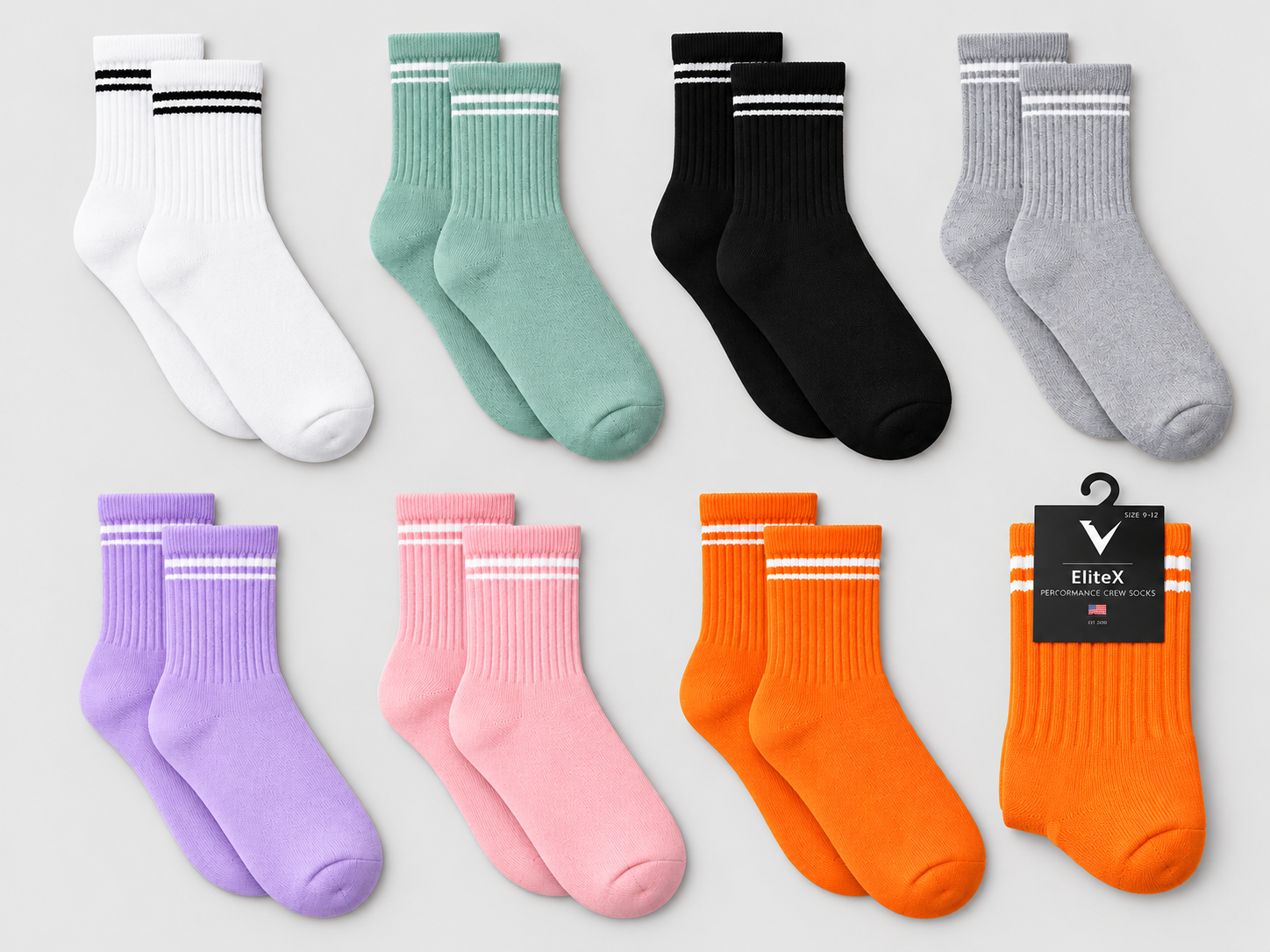
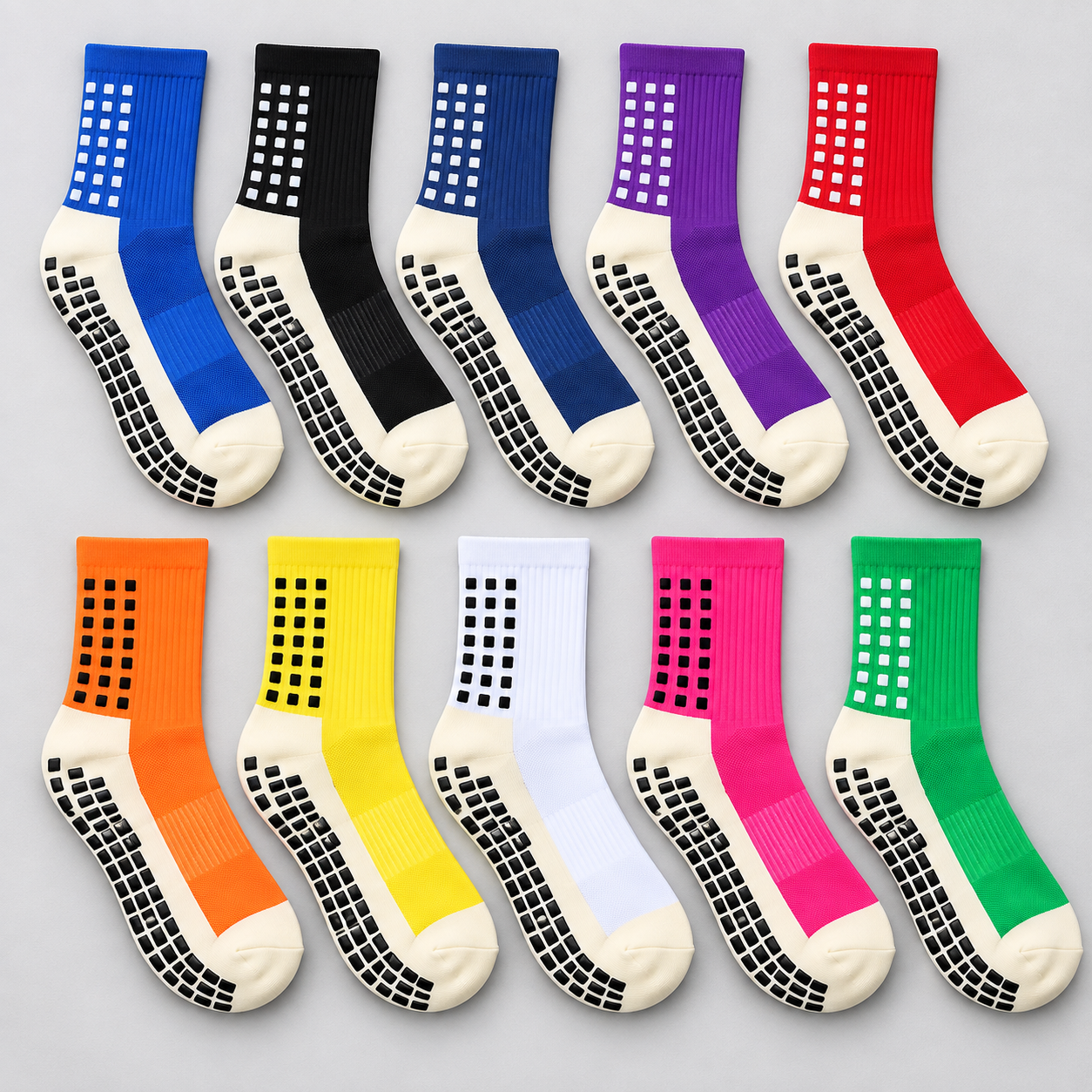
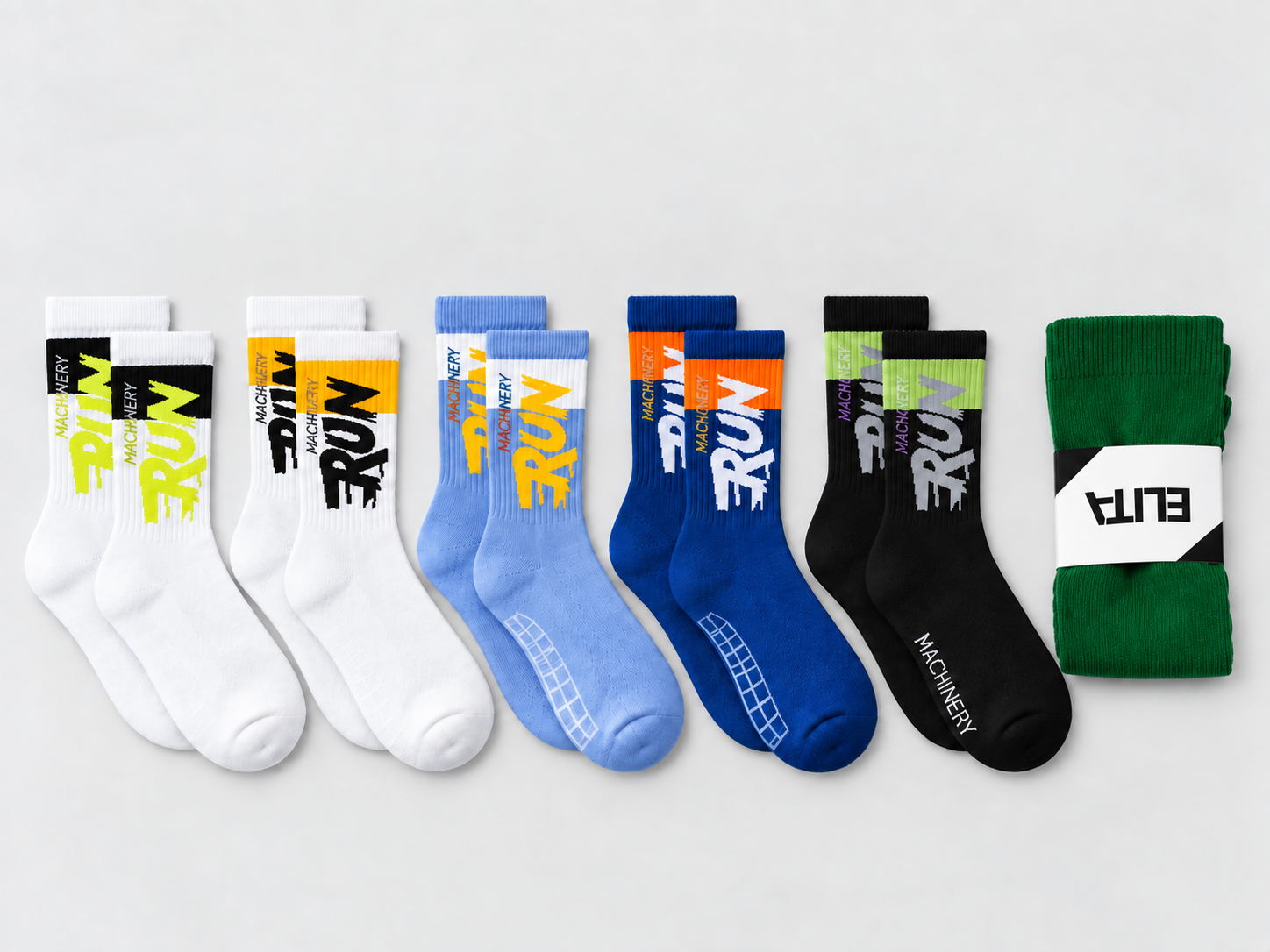
Compare four existing product directions before requesting trade terms. Each style has a product page and a wholesale inquiry route; pictured colors are product references, not a live stock list.
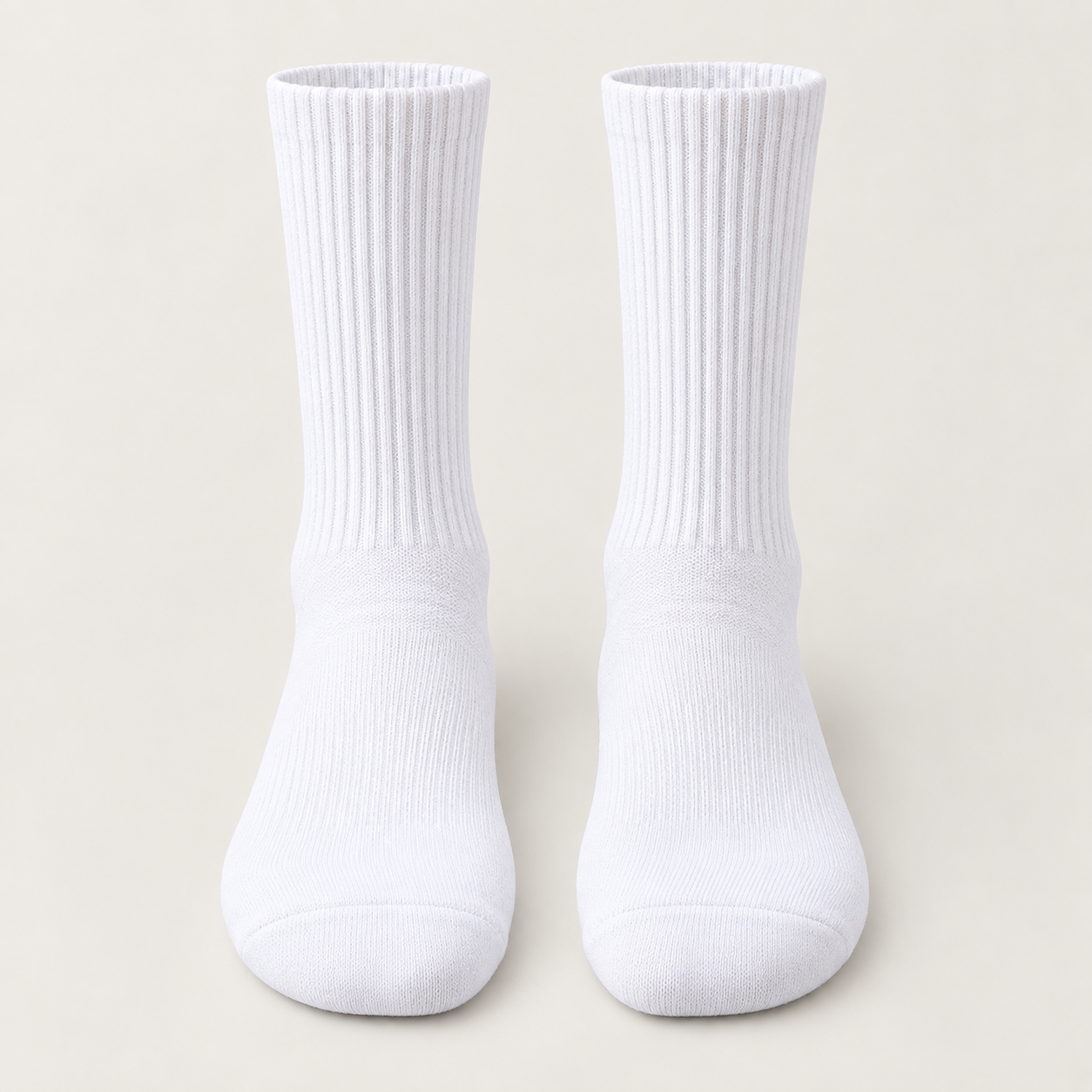
Ribbed everyday crew for apparel and lifestyle assortments.
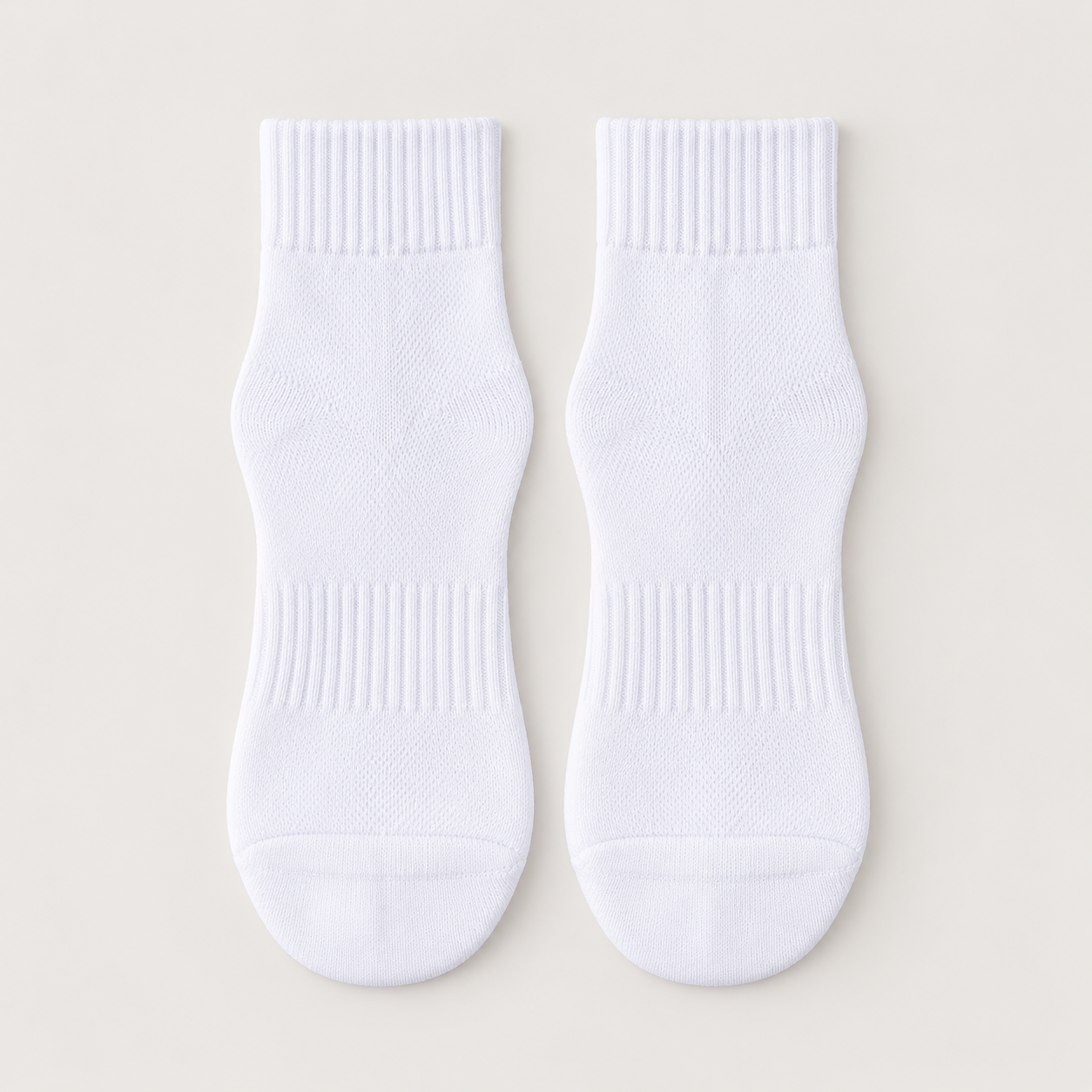
Shorter everyday base for casual and active retail shelves.
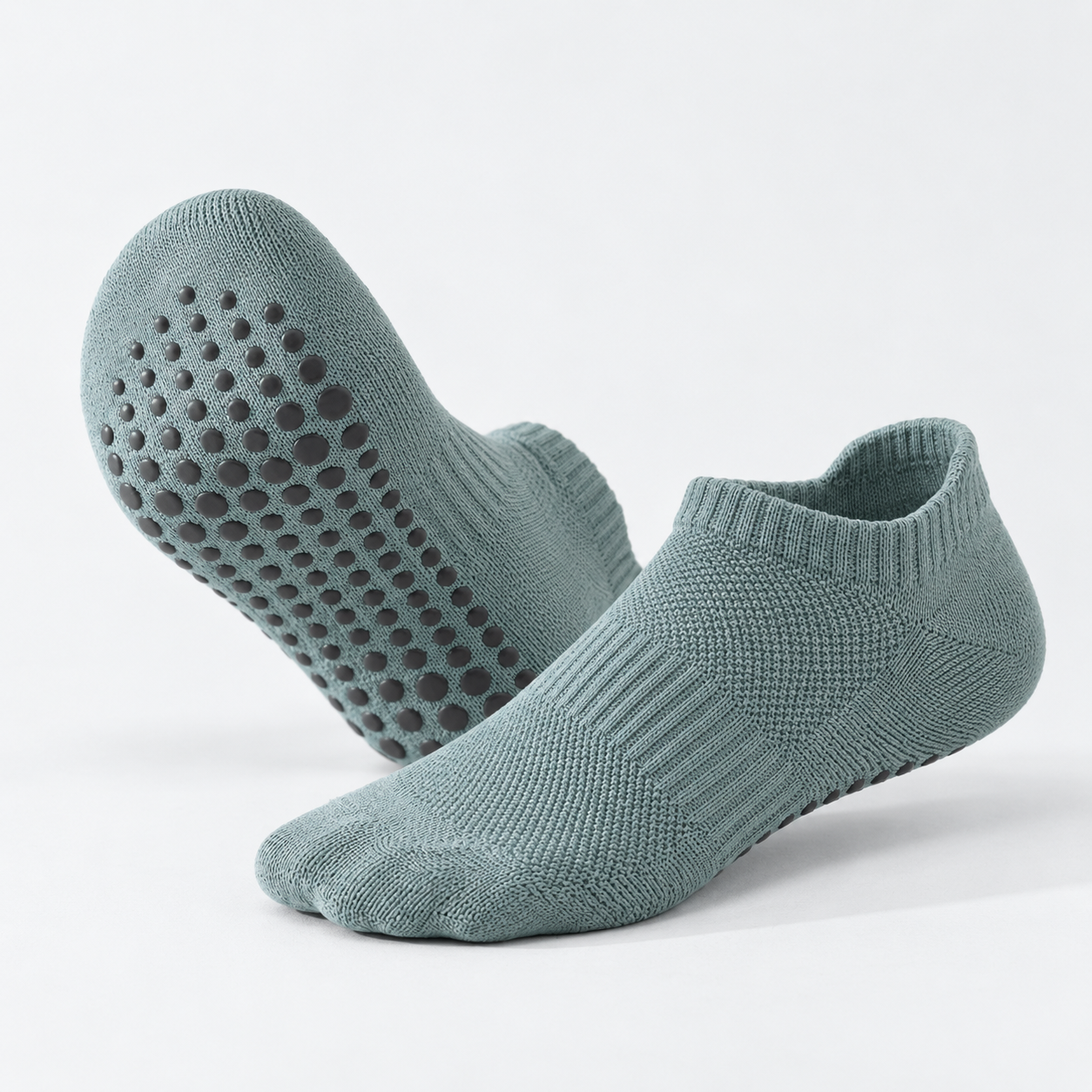
Low-profile silicone-grip direction for studio and indoor movement.
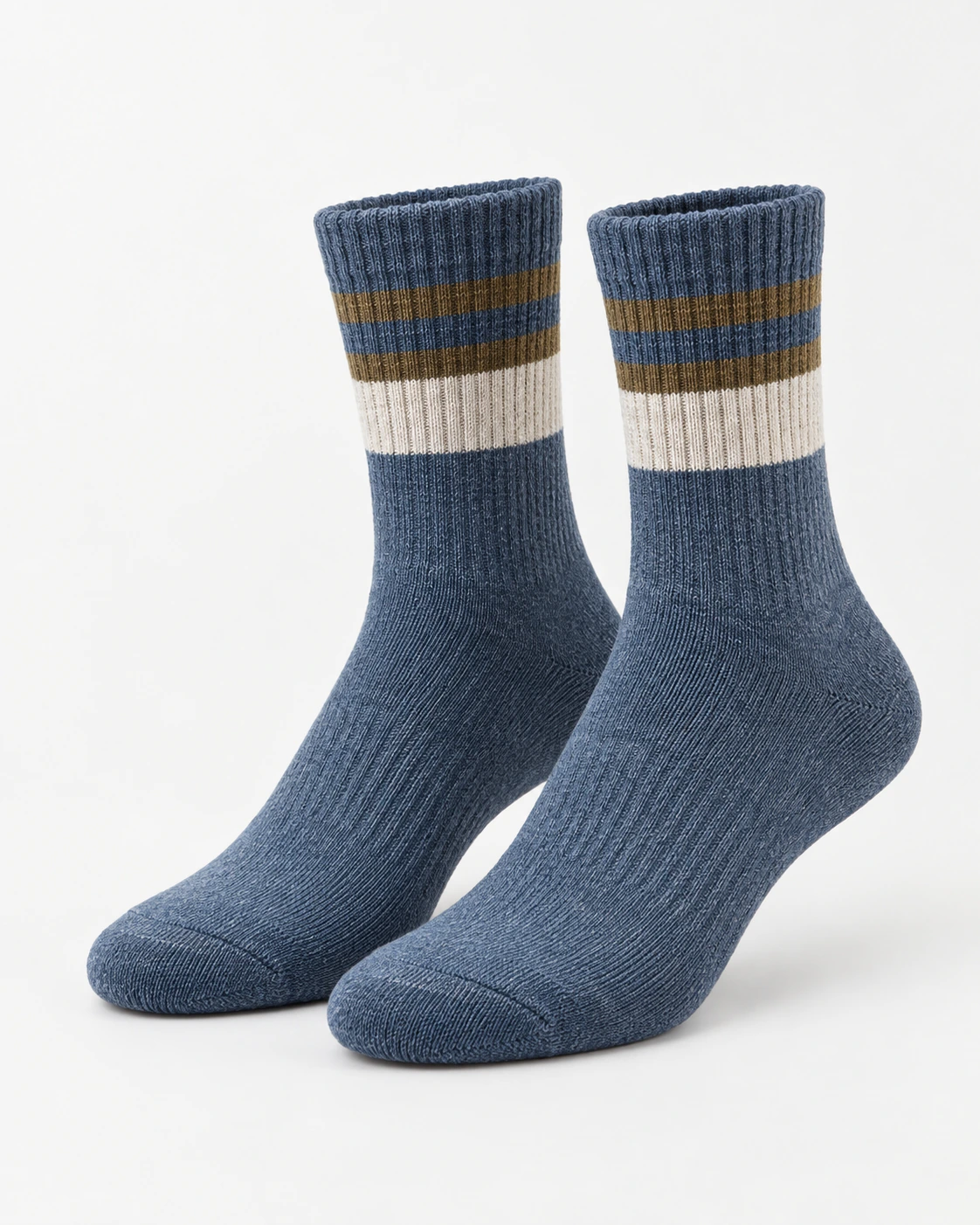
Stripe-led crew for color-driven lifestyle assortments.
Before you buy: Confirm sellable colors and sizes, the included retail pack, stock or production availability, wholesale MOQ or case pack, and dispatch or production lead time in the current line sheet. The selected-style 50-pair private-label starting point is not a wholesale MOQ.
Explore All Base Styles →The goal is not a one-time wholesale order. The goal is a repeatable retail range built from real customer response.
Start with product families that match your store, channel and customer.
Select a small number of styles instead of overloading the first order.
Use sell-through and buyer feedback to identify the strongest products.
Repeat proven products with clearer demand signals and less guesswork.
Add colors, related styles or move a proven product into private label.
The style cards show real product directions, not live inventory. Use the current line sheet or trade reply to verify the exact wholesale assortment and commercial terms.
Use a first order to compare different retail roles. These are planning examples, not fixed packs or commercial terms.
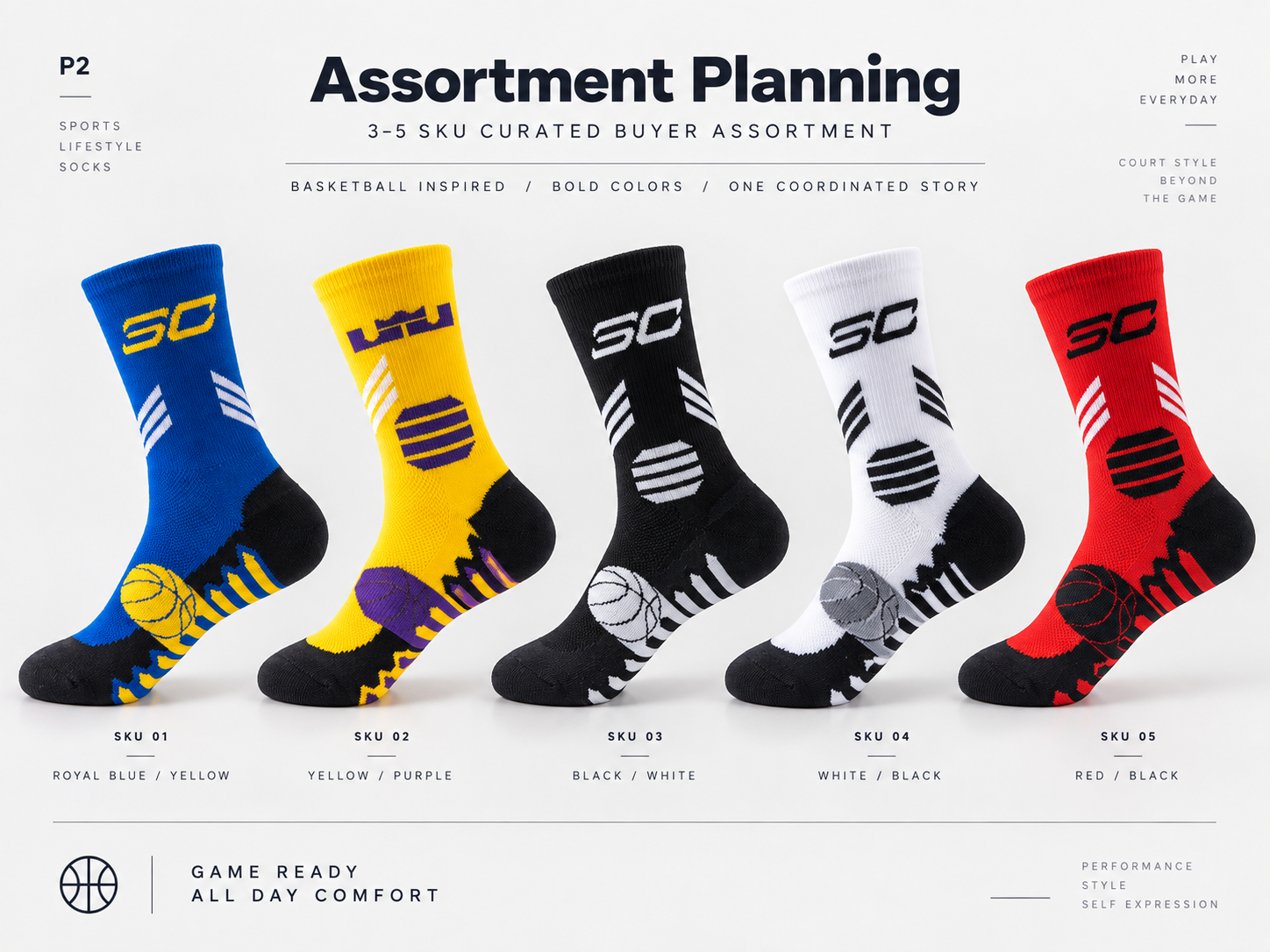
A simple way to compare everyday demand, function-led demand and trend response.
Add more core depth while keeping enough variety to learn what customers prefer.
When a style proves itself, expand the same direction rather than restarting.
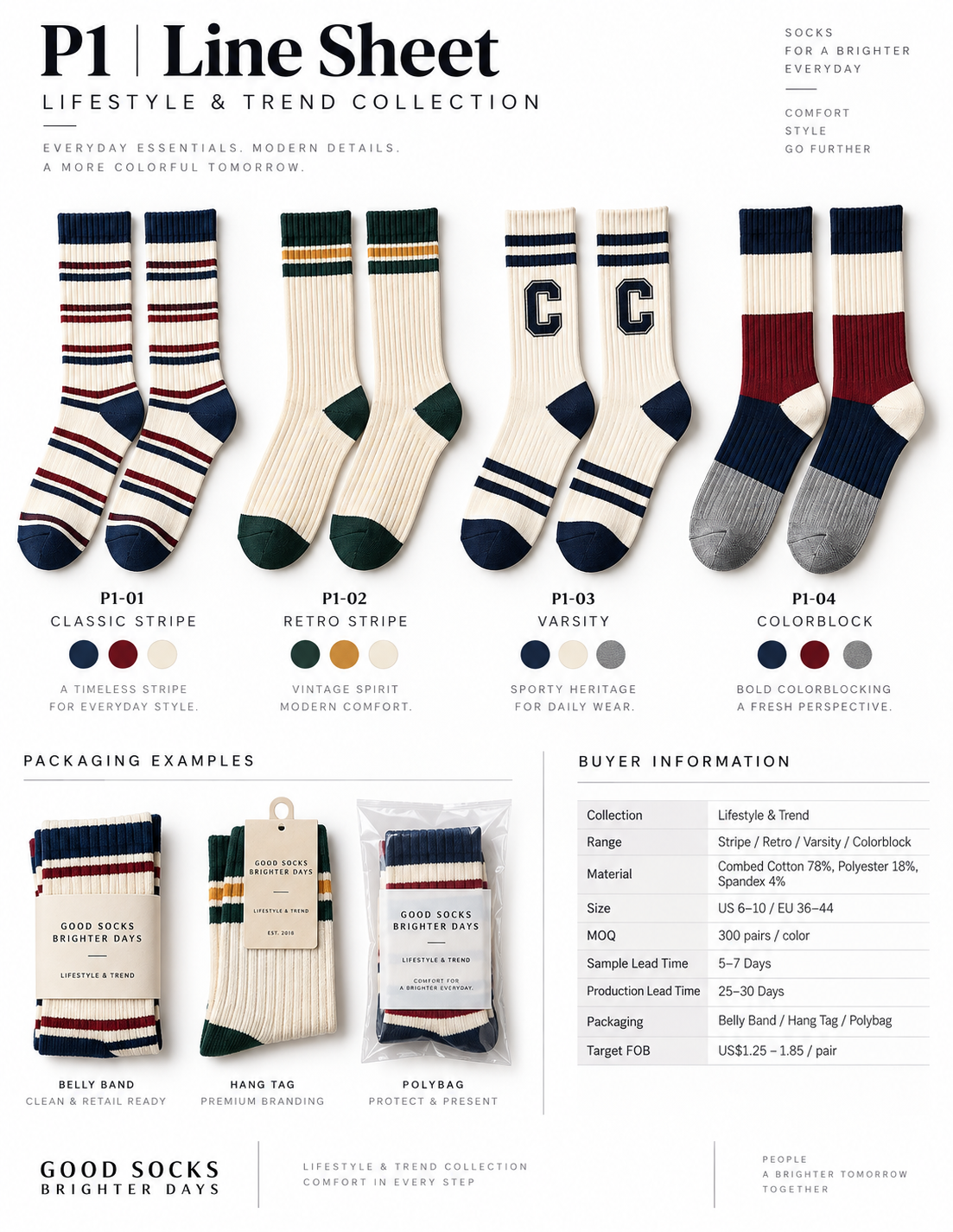
Review products in a buyer-friendly format before starting a trade conversation.
Packaging and information should support receiving, merchandising, ecommerce and inventory workflows.
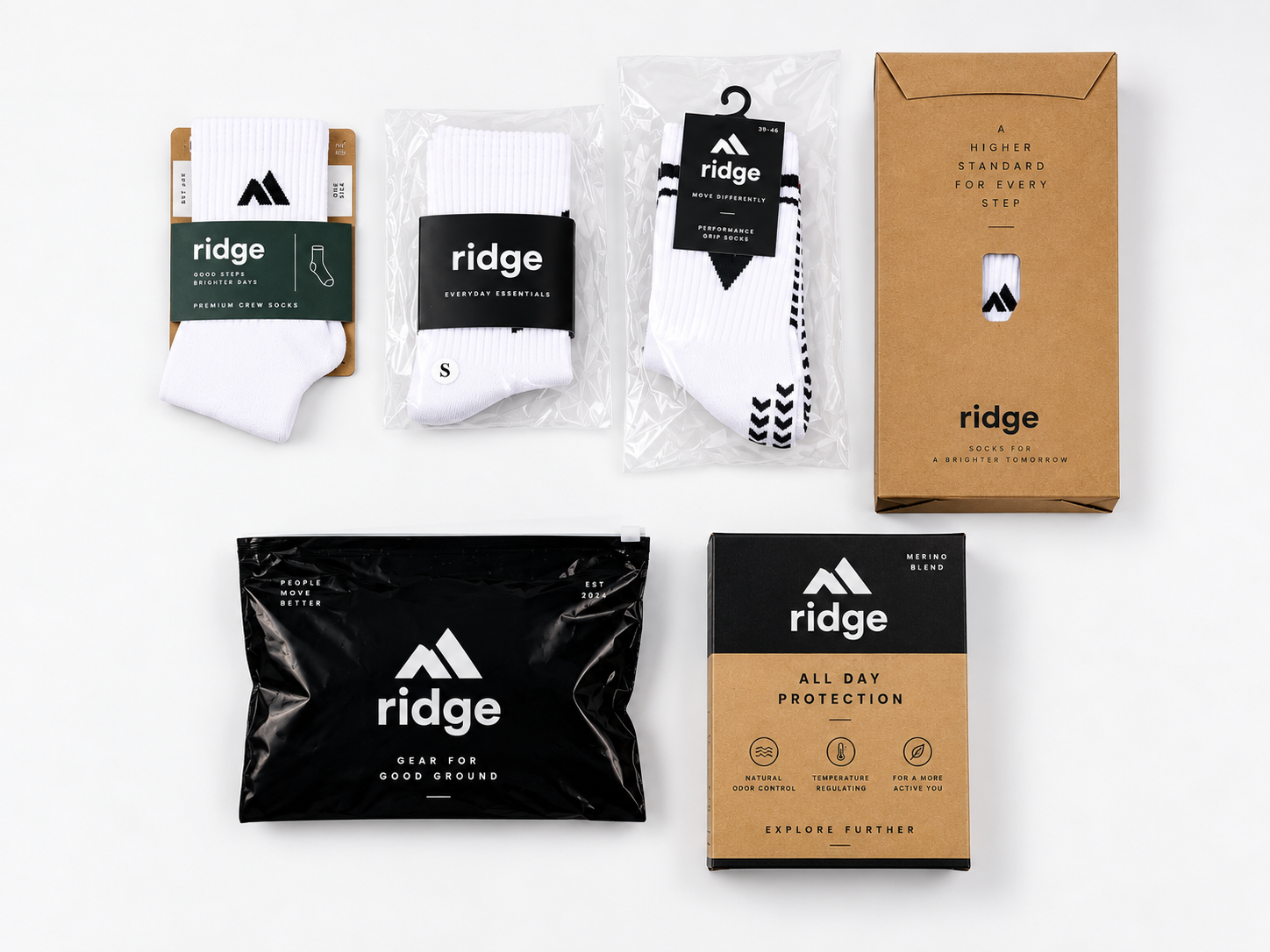
Choose a presentation suited to your channel and positioning.
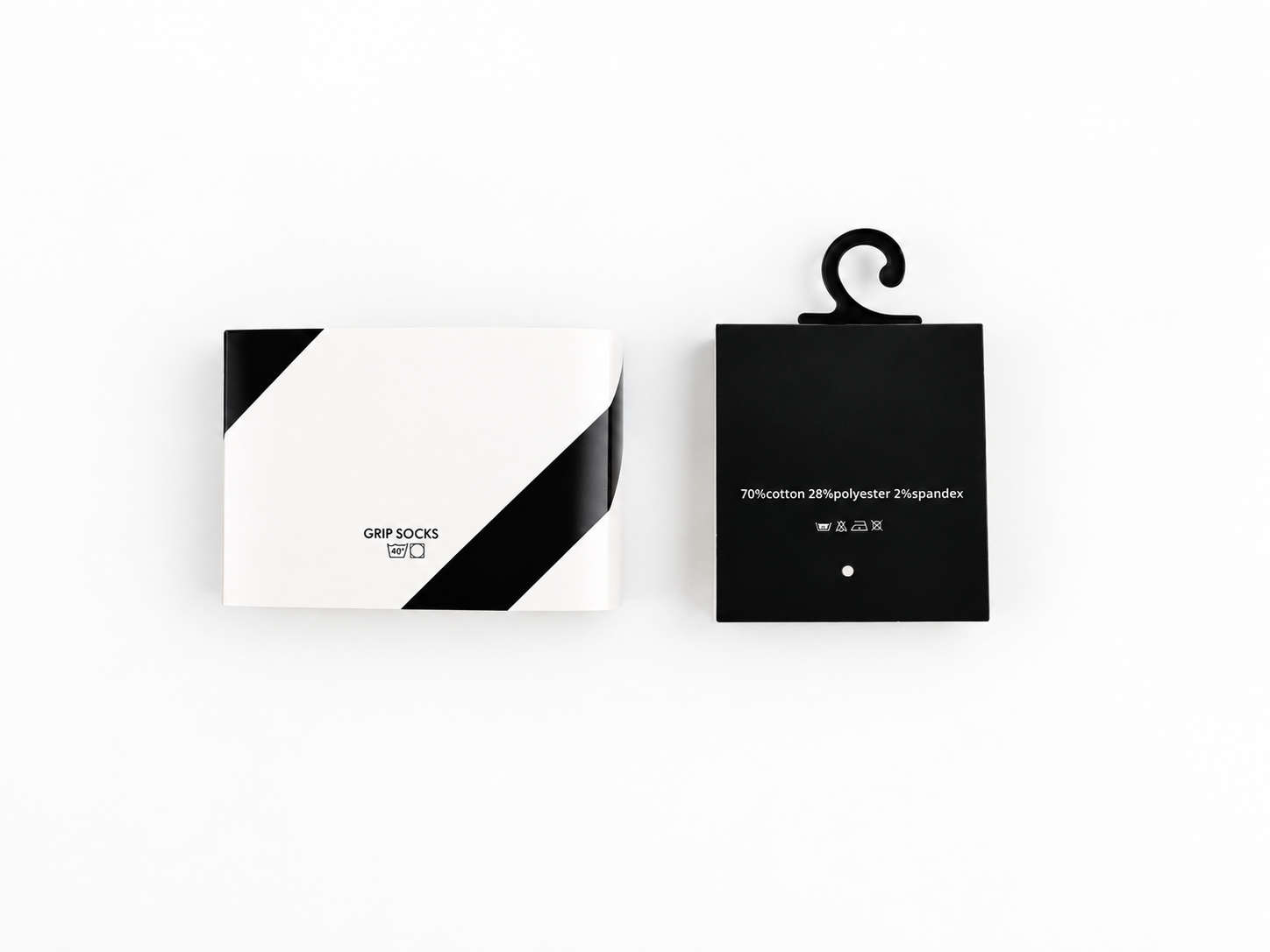
Material, care, size and construction details prepared for retail.
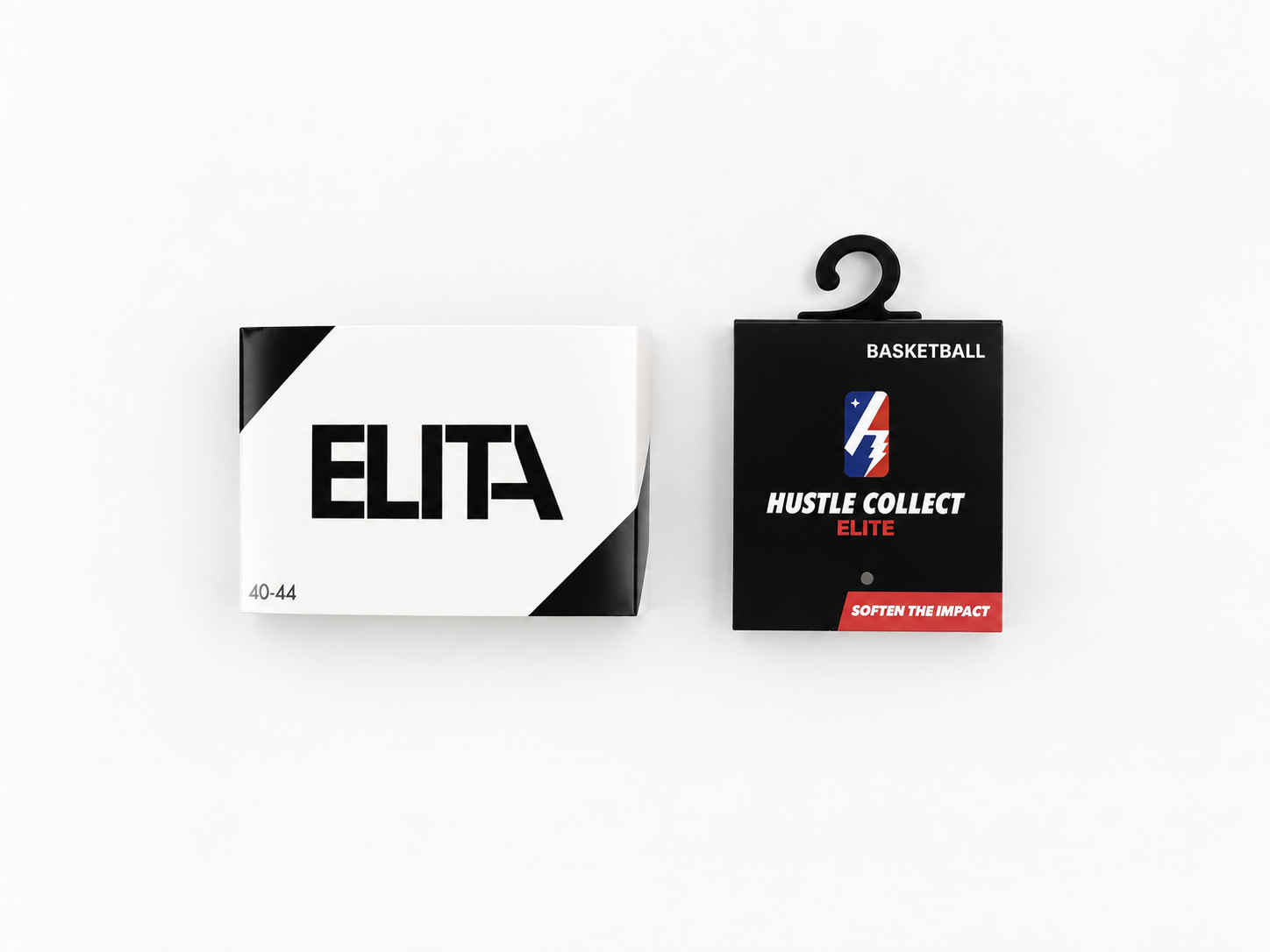
Clear branding and product communication for the shelf.
From unit packing and carton preparation to labels and pallet dispatch, each stage supports an efficient wholesale handoff.
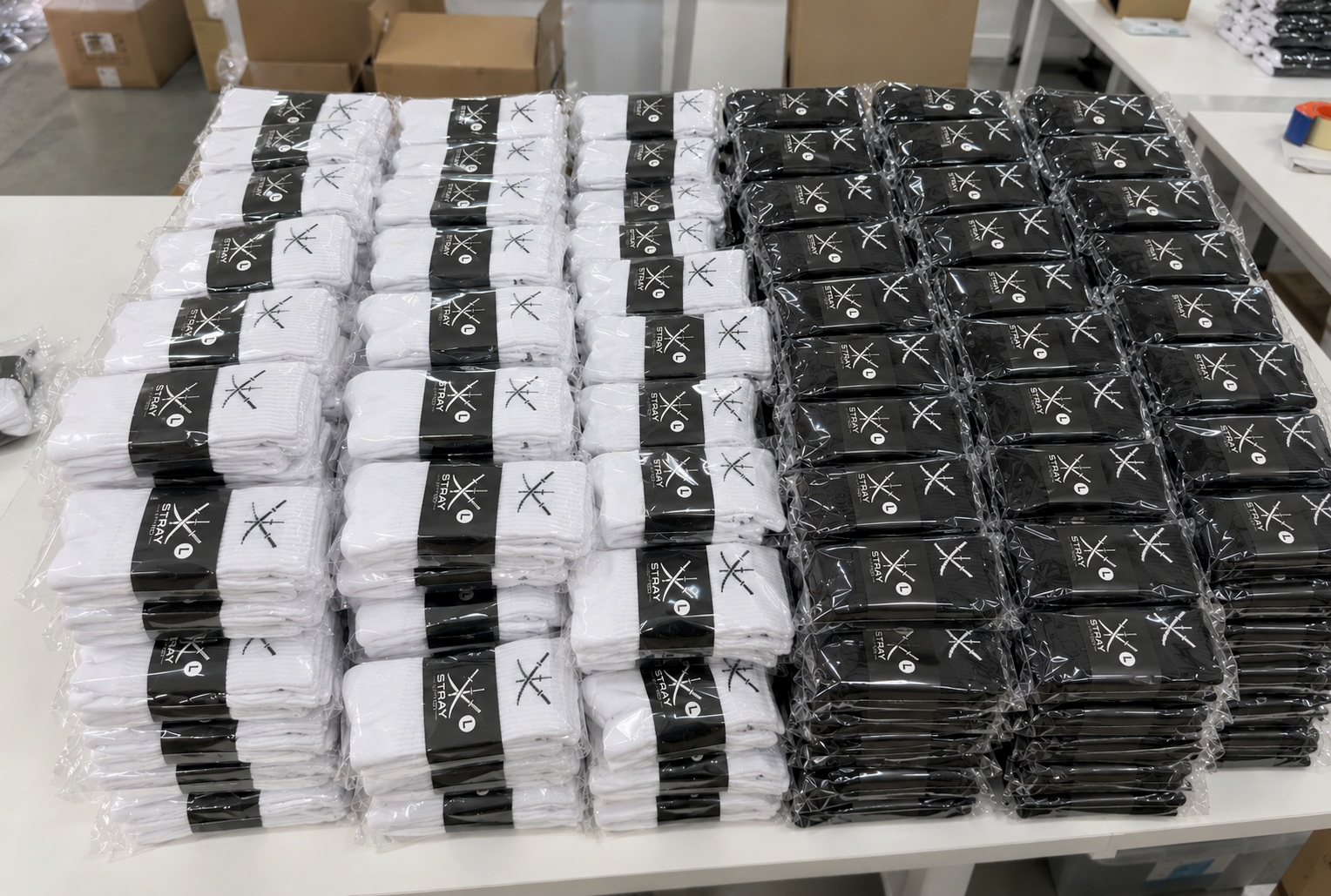
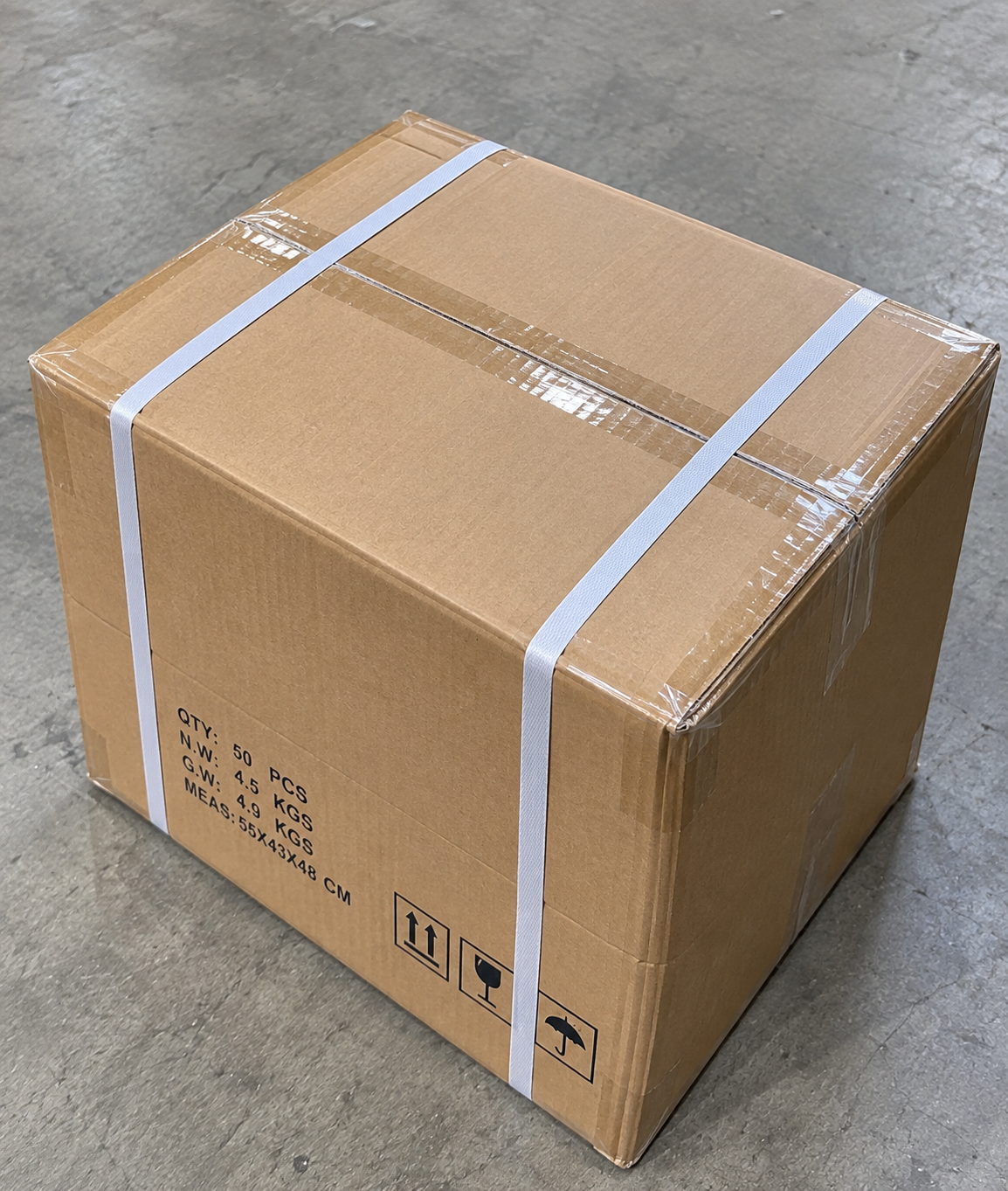
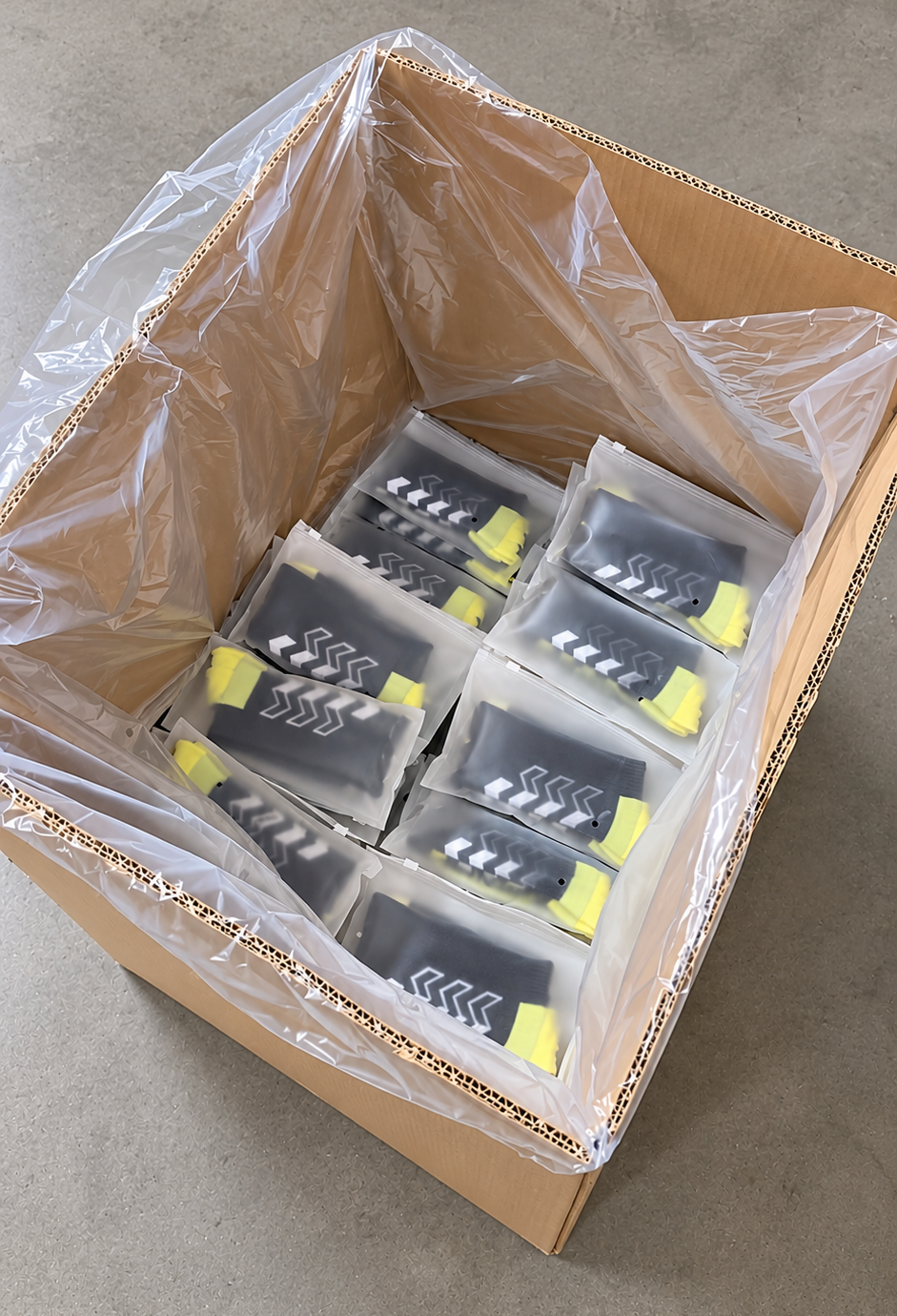
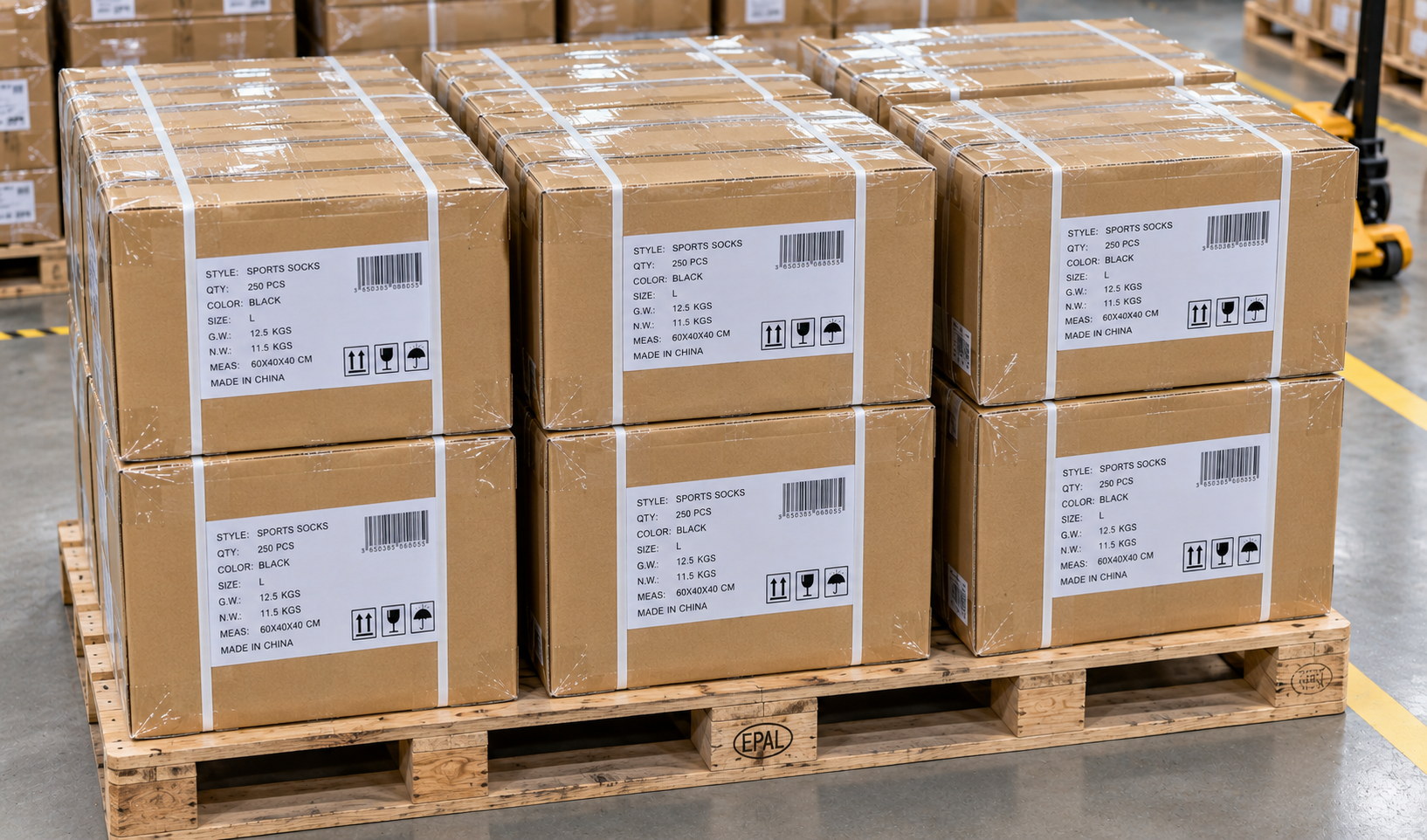
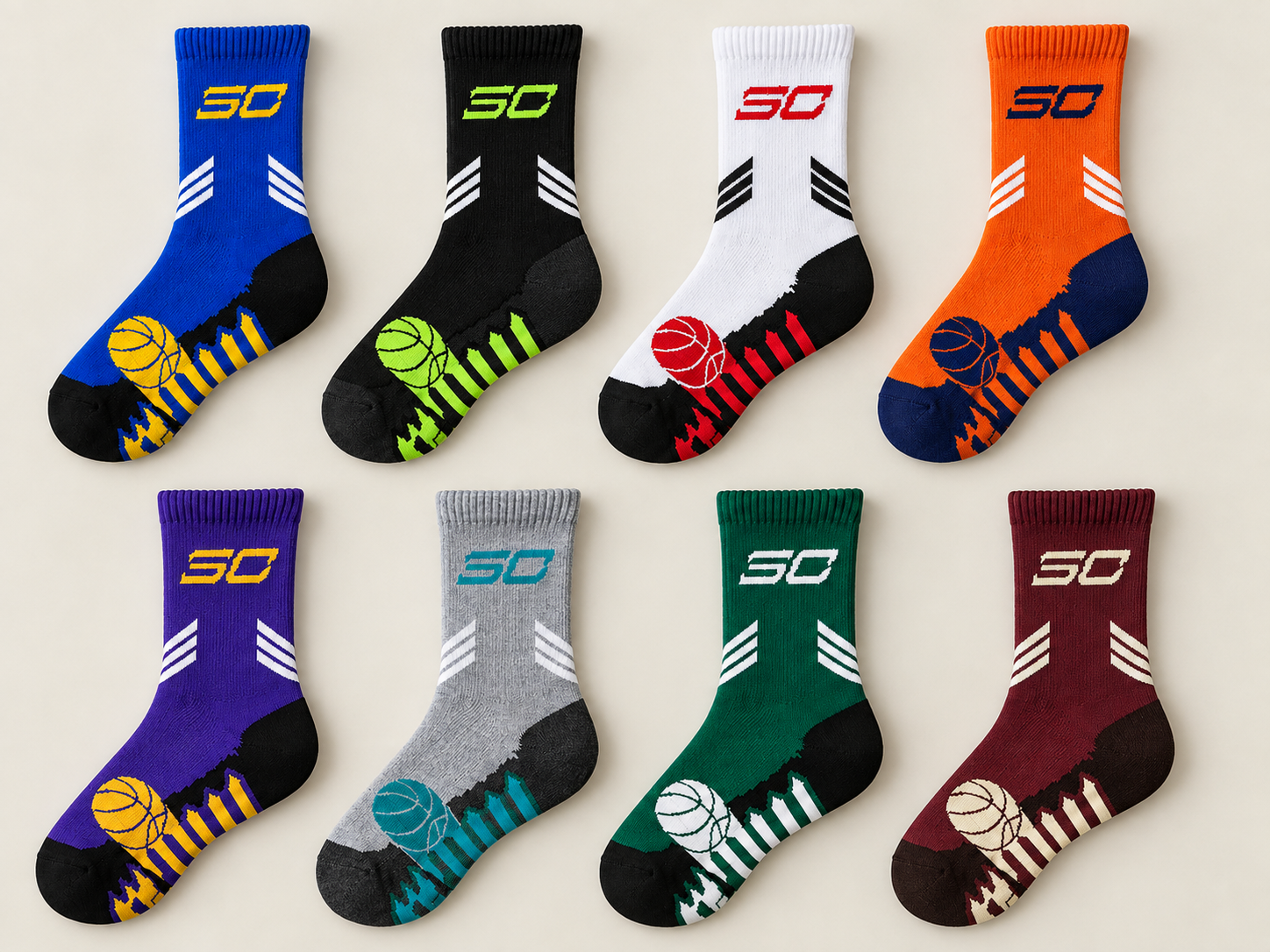
The first wholesale order is a market test. Once customer response is clear, use proven products as the foundation for repeat orders and range expansion.
Once a product has earned its place, move into a branded version with custom colors, logo details and retail-ready packaging.
Wholesale helps you validate demand. Private Label helps you own the product presentation.
Explore Private LabelCommercial details can vary by style and program. Request the line sheet or submit a trade inquiry to confirm current information.
Review ready-to-sell styles, confirm the buying details and start with a focused range you can test, reorder and expand.