Wholesale · Private Label · Fully Custom — built for brands & retailers
Fully Custom Sock Development

When a Proven Base Isn't Enough.

Build a sock around your product brief. Define the use case, materials, construction, fit, performance details, visual language and retail presentation around the product your brand actually needs.

Fully Custom is designed for established brands, larger programs and products that require meaningful development beyond colors, logos and packaging.
Product Brief First Prototype & Review Retail Program Support Repeatable Production
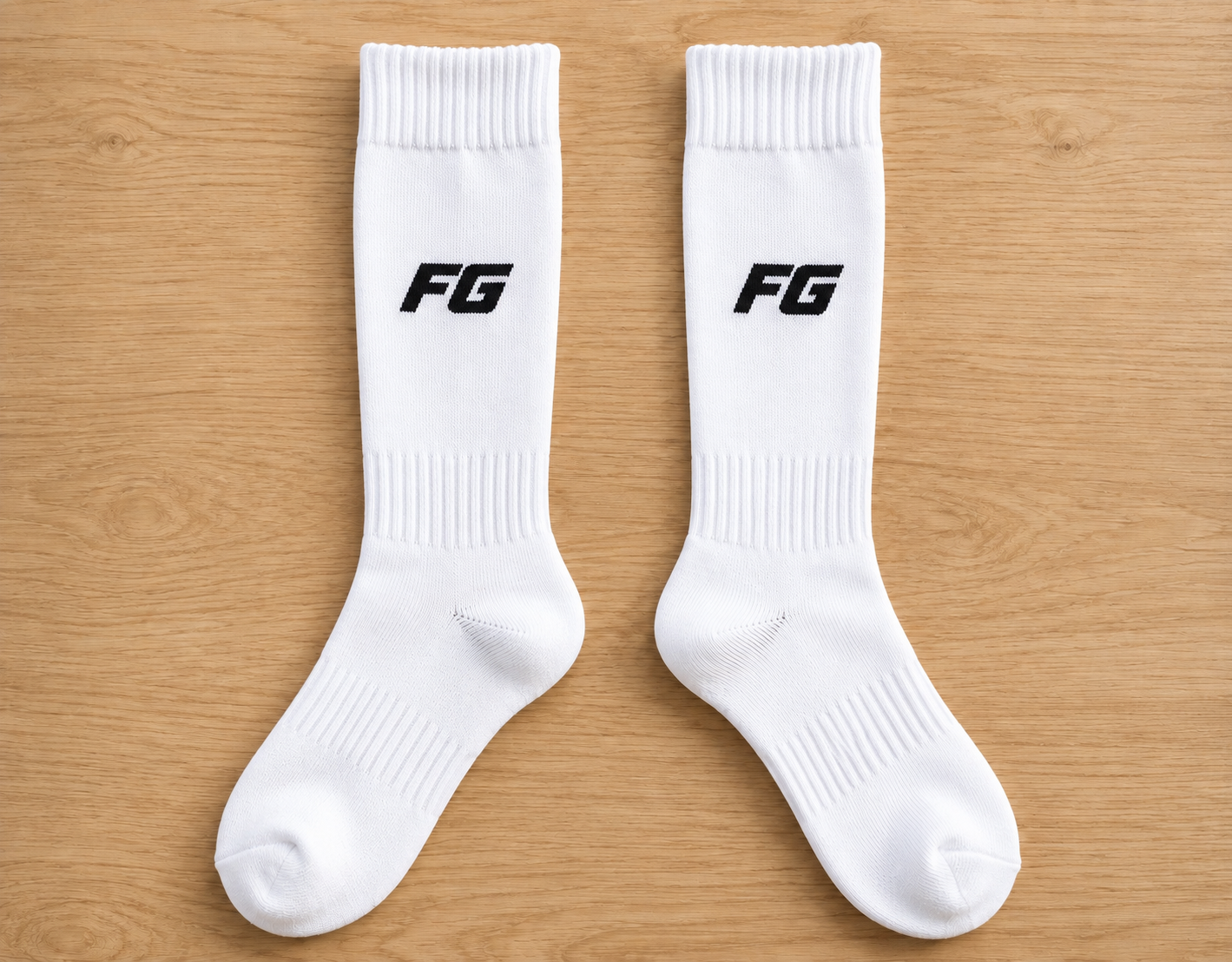
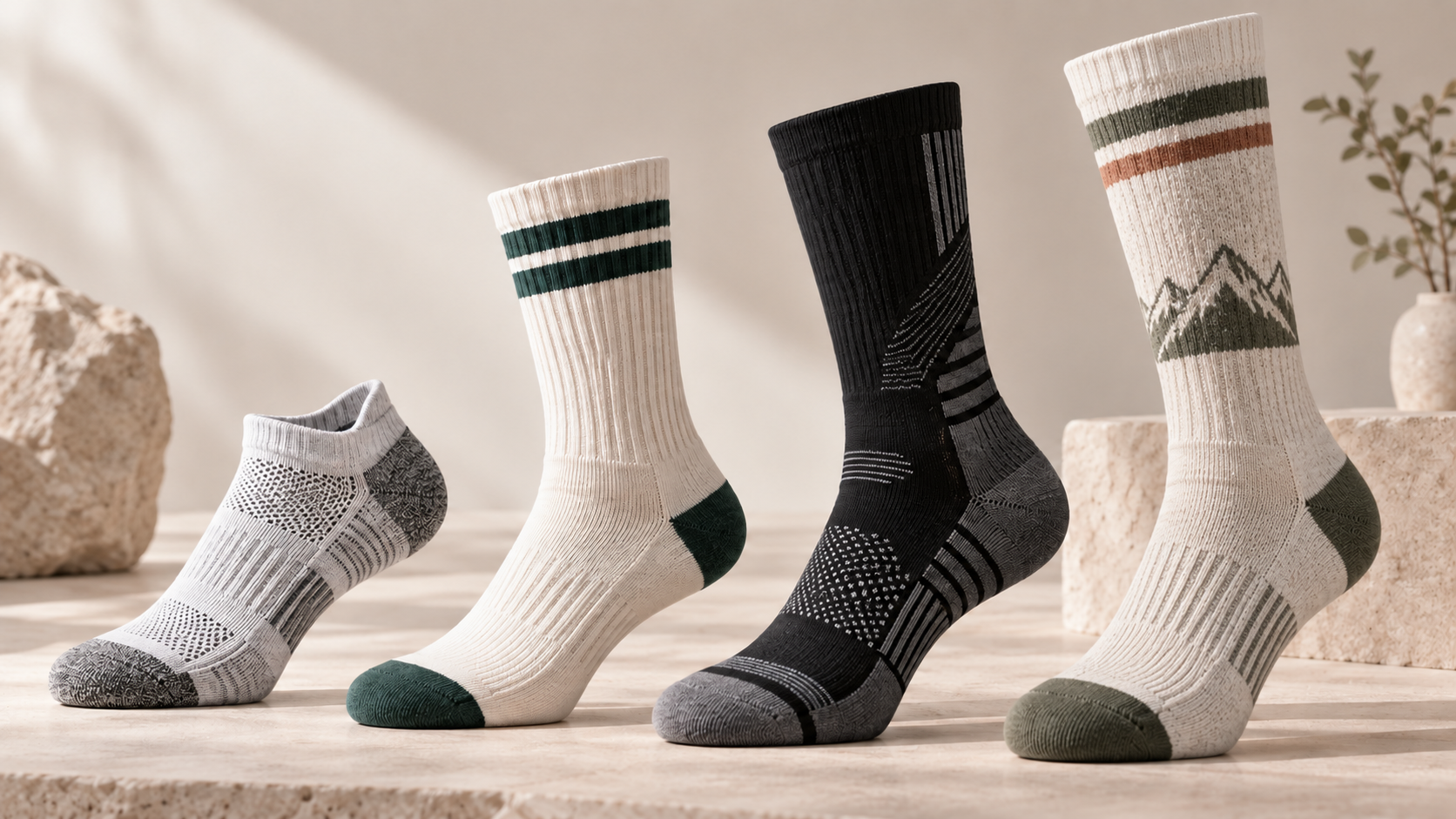
StriveSock custom sock product direction with multiple branding placements and retail presentation
Development RouteBrief → Prototype → Scale

Custom is for the product requirements that cannot be solved by a proven base alone.

Who Fully Custom Is For

For brands building a product with its own requirements.

This route is most valuable when the product itself needs to change — not only the logo, color or packaging.

01

Established Brands

Brands with a clear customer, positioning and product-development direction.

02

Larger Orders

Programs where deeper development is supported by stronger repeat-volume potential.

03

Exclusive Products

Products that need a more distinctive construction, visual system or specification.

04

Unique Construction

Projects with specific fit, support, grip, compression, cushion or material needs.

05

Custom Retail Programs

Collections where product and retail presentation need to be developed as one system.

Choose the Right Development Route

Custom only when the product needs to be custom.

Fully Custom should not become the default answer to every inquiry. If a proven base solves the product requirement, Private Label is usually the faster route. If the structure, fit or functional specification must change, Fully Custom becomes the right path.

Private Label

Start from a proven base.

Best when the product direction already exists and the main work is branding, color and retail presentation.

Existing base construction Custom colors & stripes Logo & graphics Retail packaging Lower development complexity
Fully Custom

Build around your brief.

Best when the actual product needs a new combination of materials, construction, fit, performance and brand requirements.
Product-specific construction Material & yarn direction Fit / support / functional zones Prototype review & iteration Documented repeat-production spec
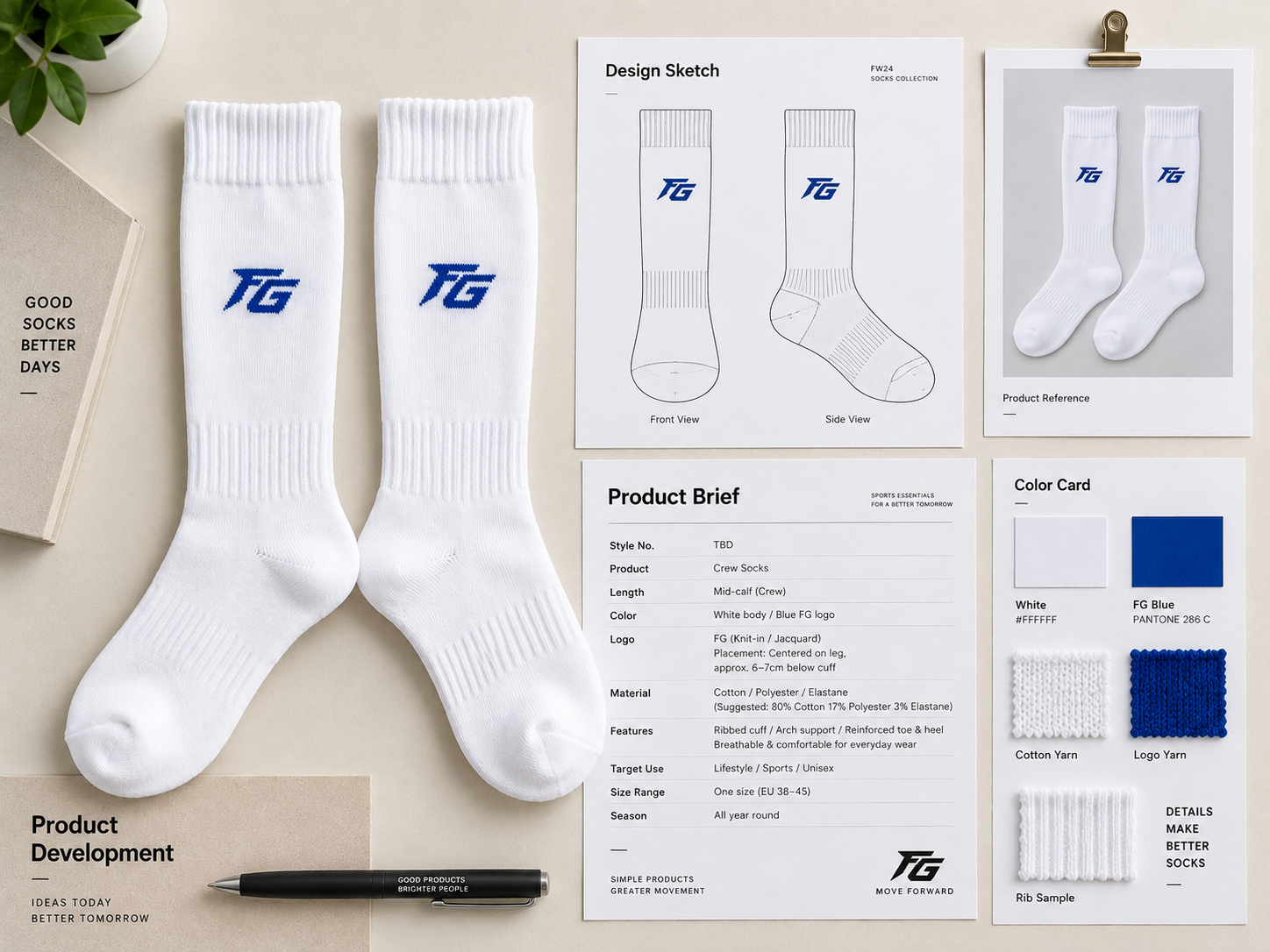
Custom sock product brief framework showing end use, product requirements, visual language and commercial context
01 / Product Brief

Start with the use case, not the machine.

A strong custom project begins with a clear business and product brief. The goal is to understand what the sock must do, who it is for and how it will be sold before deciding how it should be constructed.

End UseTraining, running, retail, lifestyle, team or another defined use case.
Target CustomerWho is wearing it, and what do they expect from the product?
Product RequirementsLength, fit, cushion, support, grip, compression and performance priorities.
Visual LanguageColor, graphics, logos, placement and brand references.
Retail ContextEcommerce, specialty retail, wholesale, team or branded program.
Commercial ContextExpected quantity, target positioning and repeat-volume potential.
02 / Materials & Construction

Translate the brief into product decisions.

Once the use case is clear, development moves into the parts of the product that affect comfort, fit, function and visual identity. The exact specification depends on the brief rather than a fixed template.

Material Direction

Yarn & fiber mix

Choose material direction around hand feel, durability, moisture, stretch and product positioning.

Construction

Knit structure

Rib, mesh, density and zone construction can be adjusted around the product requirement.

Comfort

Cushion strategy

Define where cushioning belongs and how much is appropriate for the intended use.

Support

Arch & hold

Support zones can be developed around fit stability and the desired on-foot feel.

Performance

Grip / compression

Add functional details when the product brief requires them, not as decoration.

Fit

Length & proportion

Define cuff, leg, foot and overall proportions around the target product and size program.
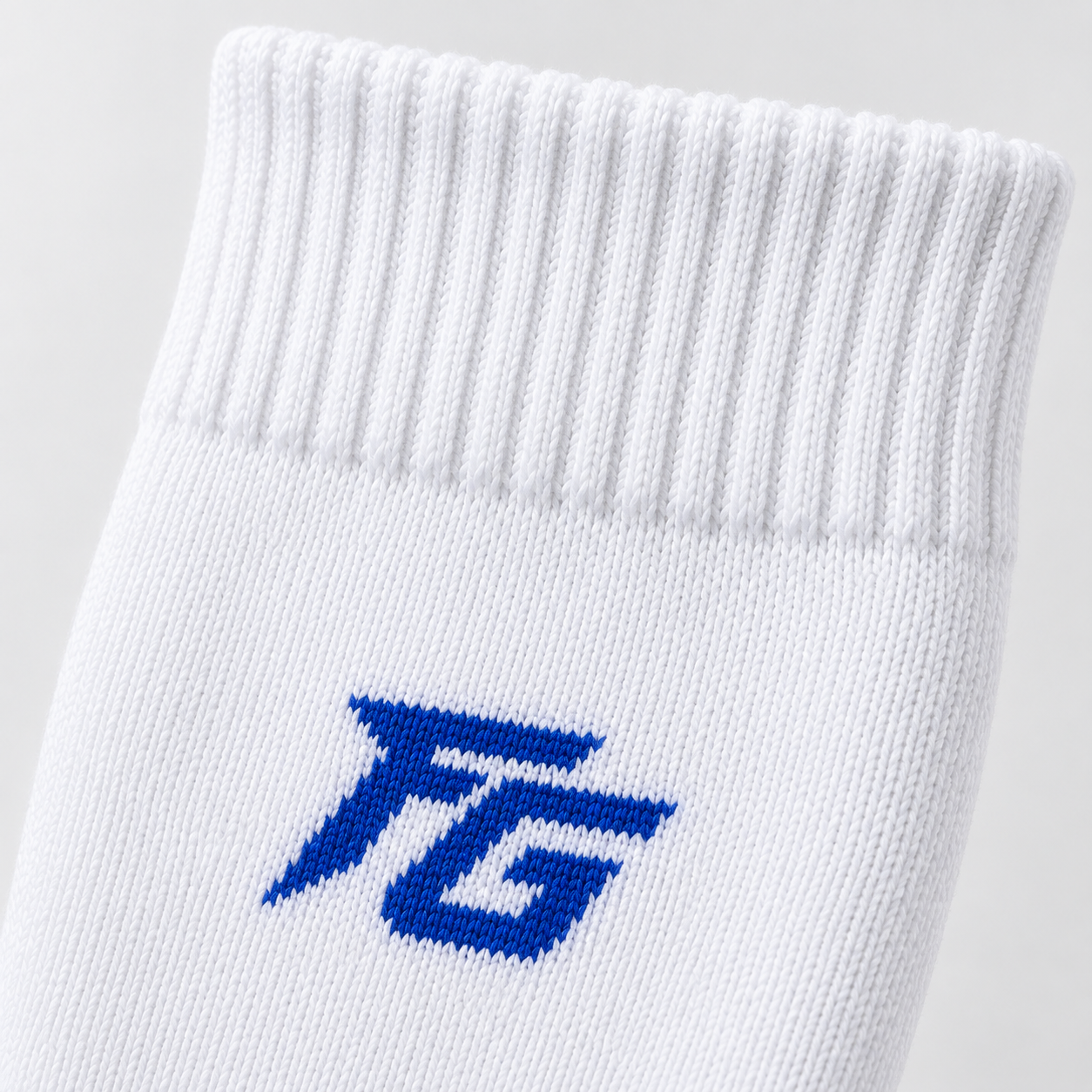
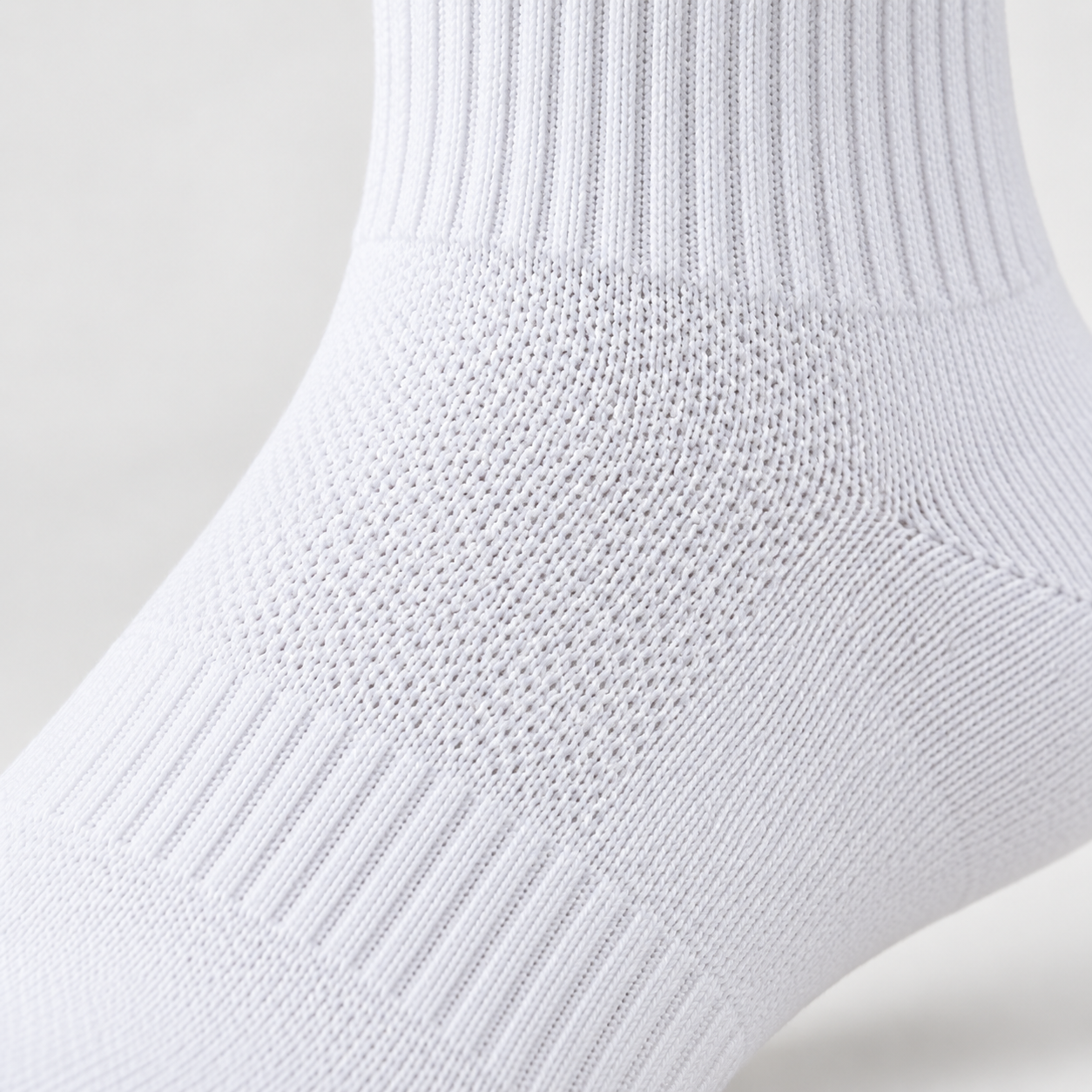
Close-up of sock material structure and supportive knit zones
Material structure
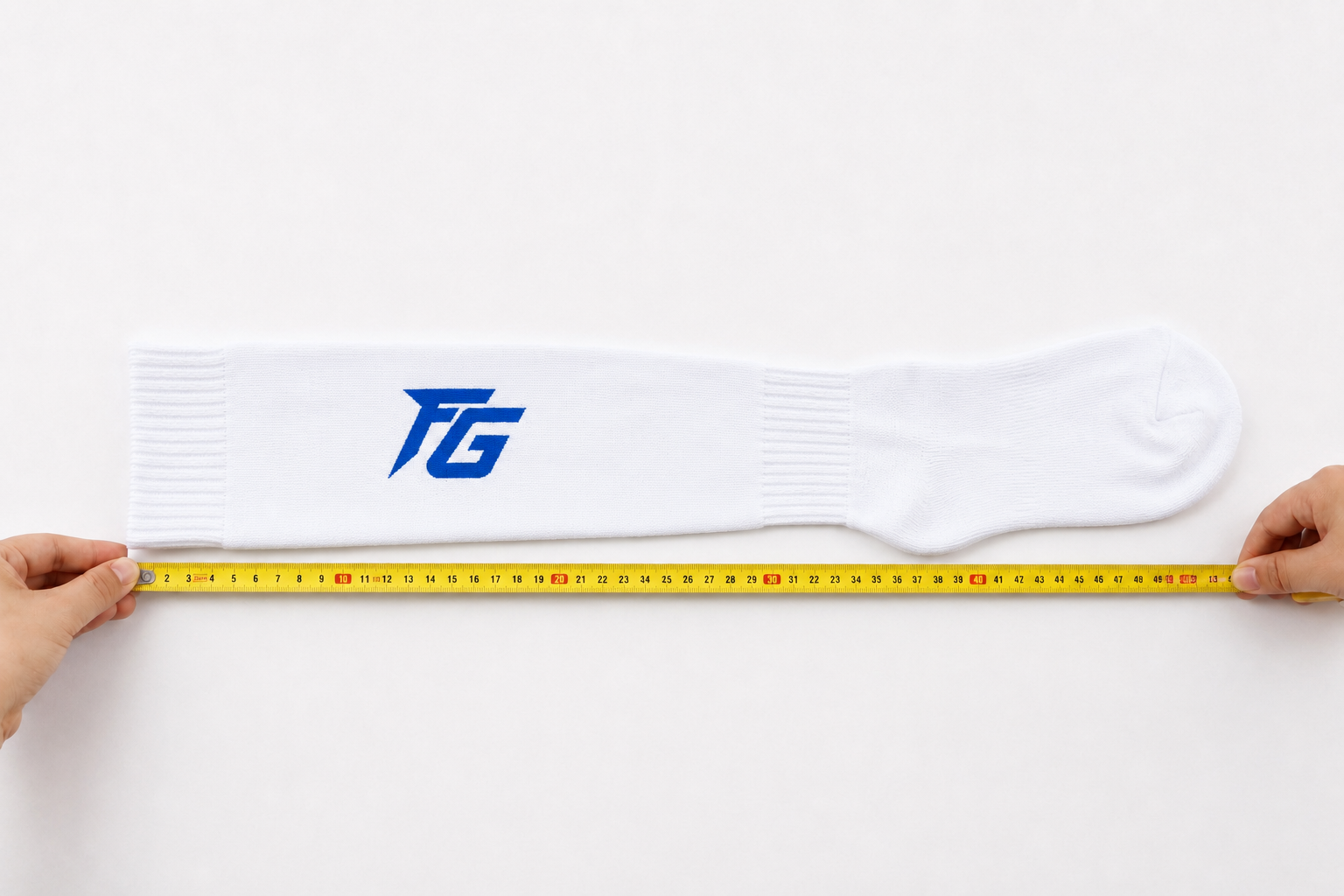
Close-up of custom knit construction and jacquard logo detail
Knit construction
Striped crew sock used as a visual style reference for custom product development
03 / Brand & Visual Language

Make function and identity work together.

A custom sock still has to look unmistakably right for the brand. Visual direction should be developed alongside the construction, not added after the product is finished.
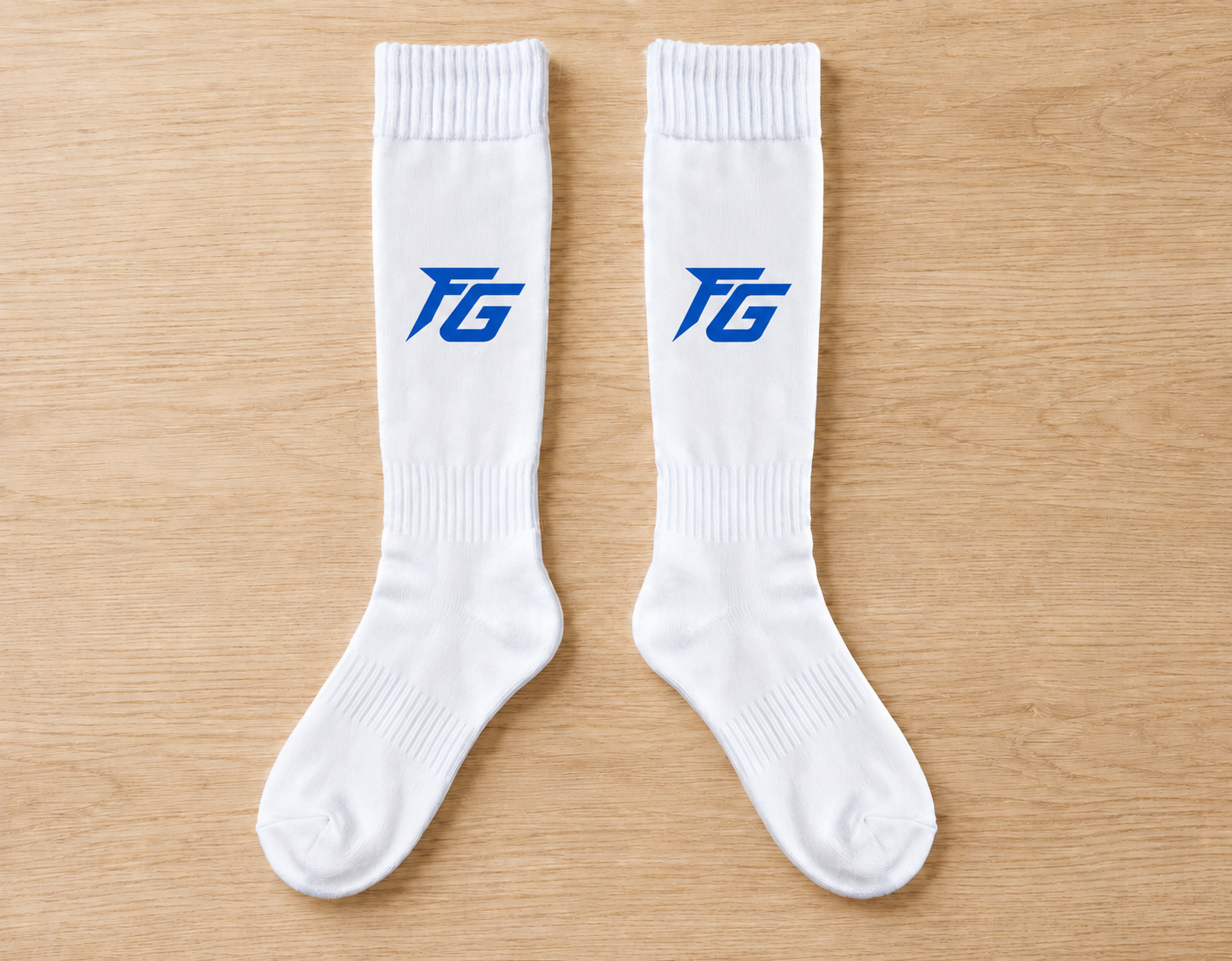
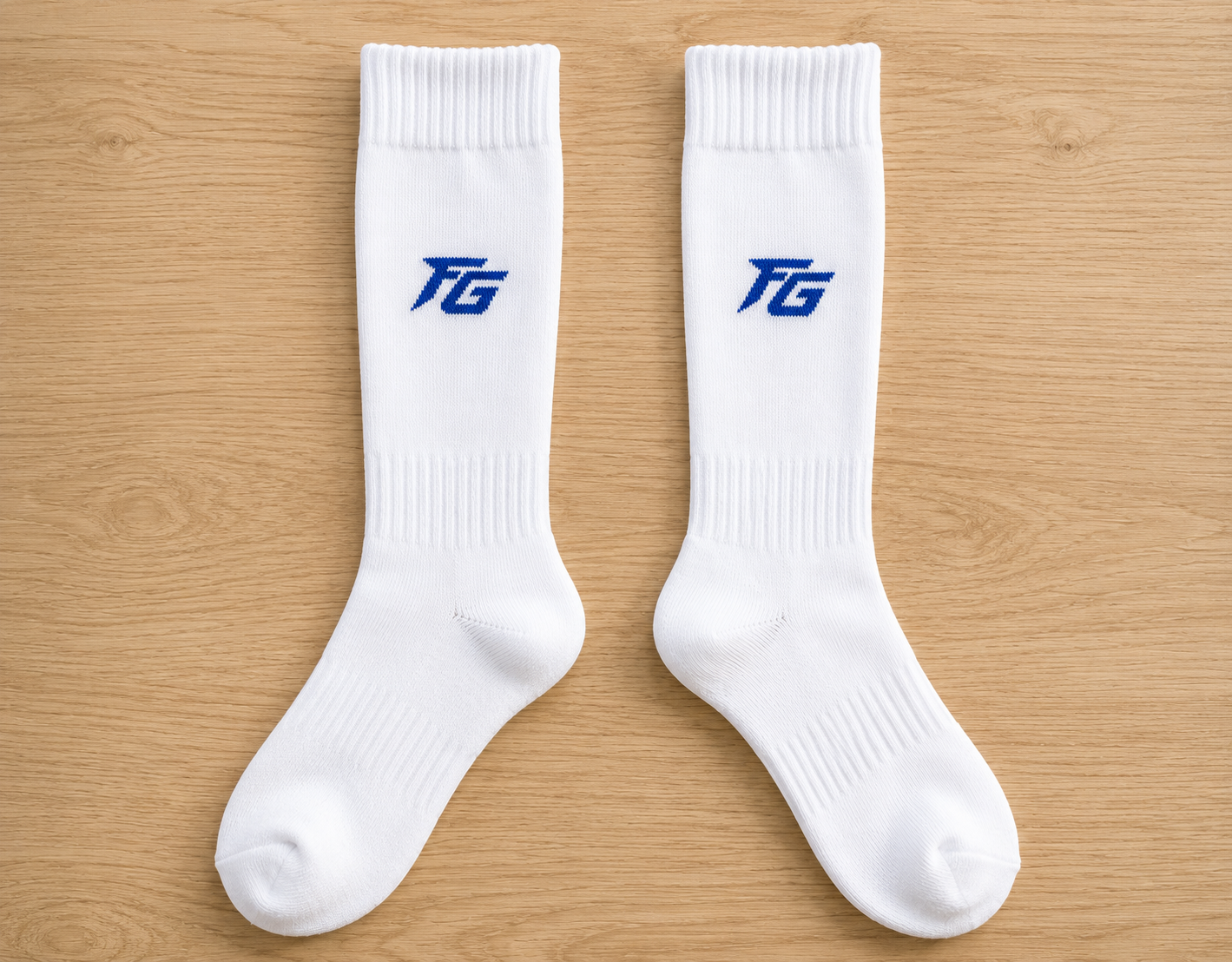
ColorBody, cuff, heel, toe and accent color direction.
StripesVarsity, retro, technical or collection-specific stripe systems.
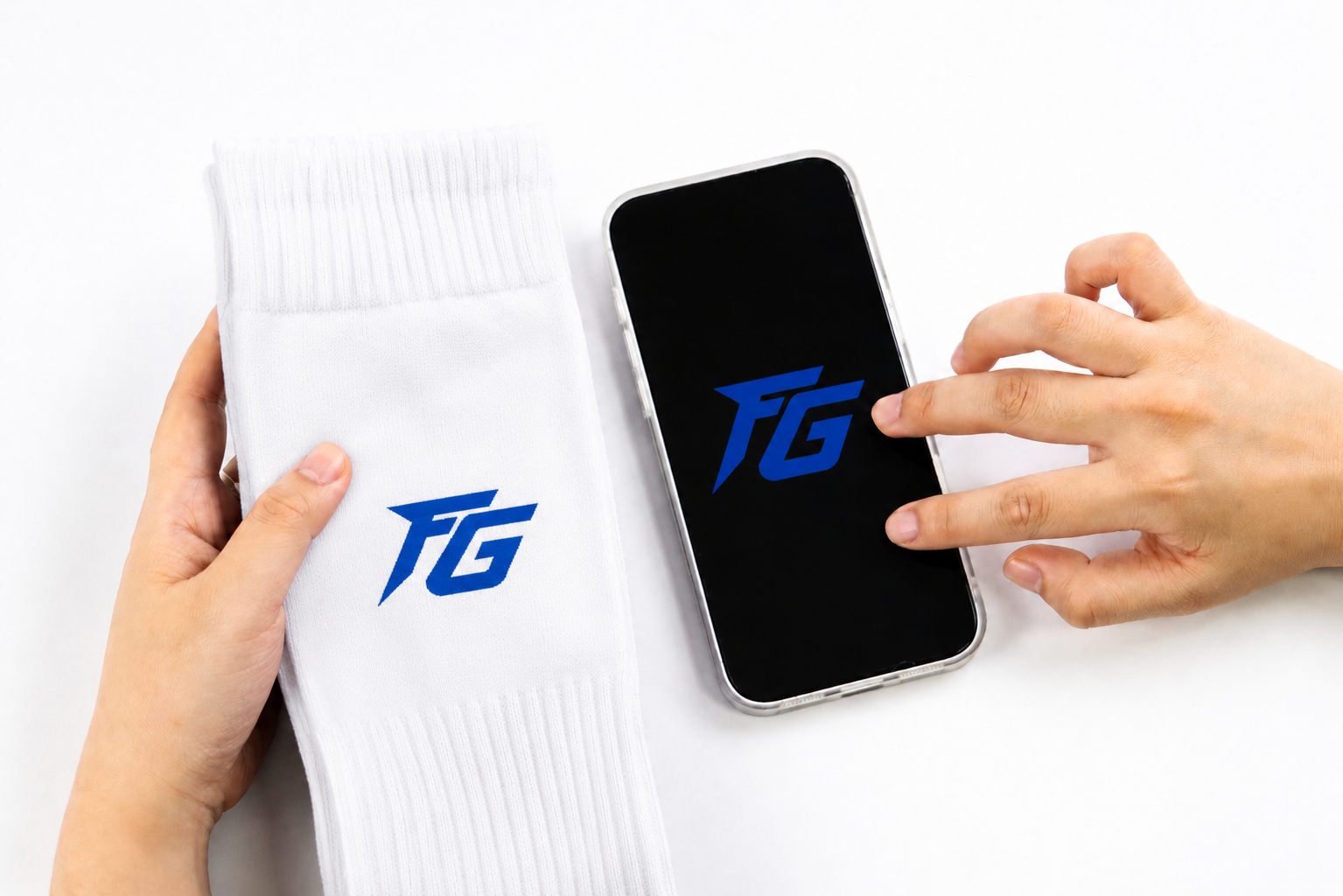
LogoPlacement planned around the construction and visibility requirements.
Knit GraphicsText, icons or pattern directions where the structure supports them.
04 / Prototype & Review

Review the product before it becomes production.

The prototype stage turns decisions on paper into something that can be worn, evaluated and refined. Review should focus on the issues that matter to the final product — not cosmetic changes alone.

01
Fit & proportionLength, hold, stretch and overall on-foot balance.
02
Feel & materialsHand feel, cushion level, weight and comfort against the intended use.
03
Functional zonesGrip, support, ventilation, compression or other brief-specific details.
04
Visual executionColor, stripes, logos, graphics and how the design reads as a finished product.
05
Retail presentationHow the finished sock works with packaging, product information and the wider collection.
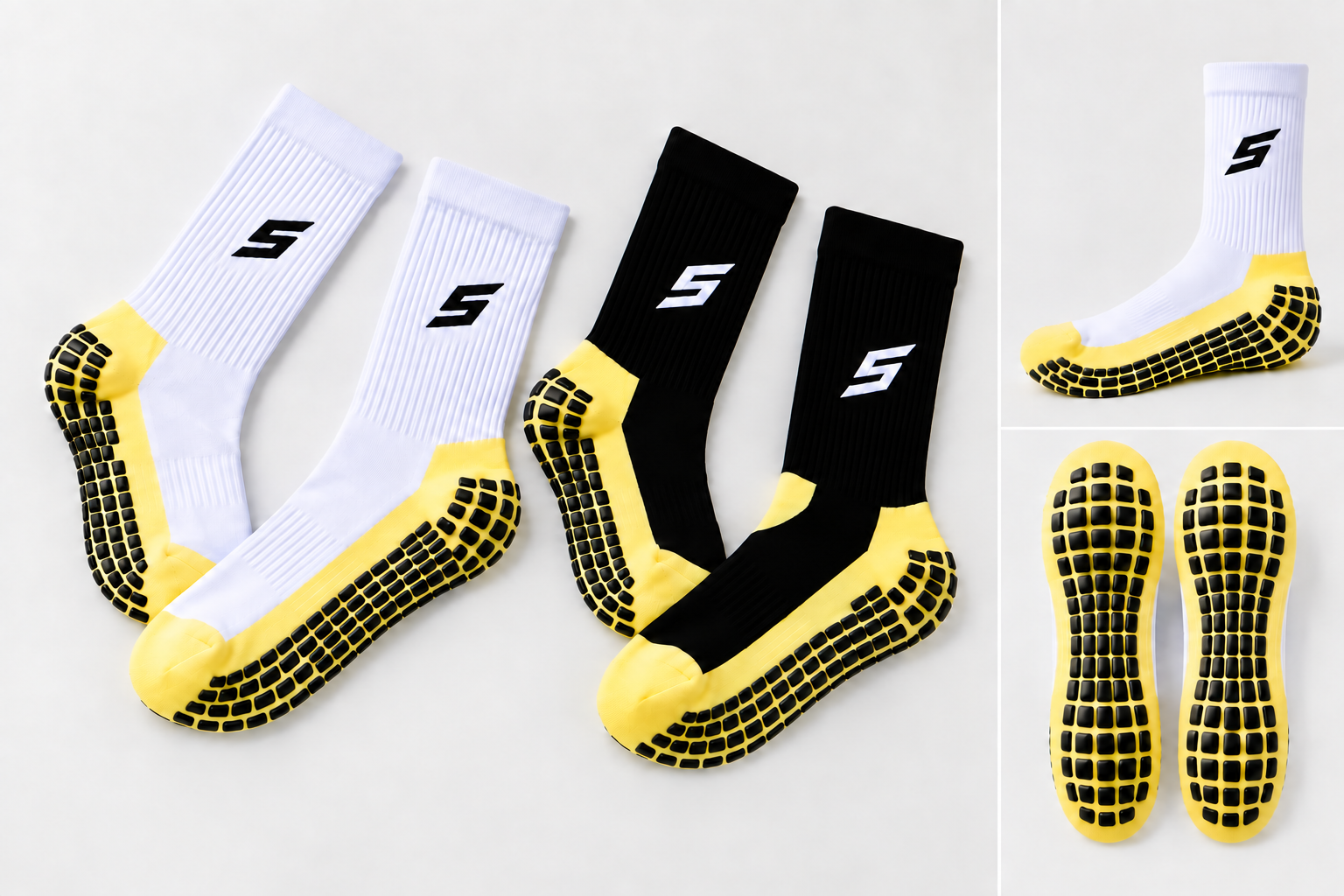
Approved football grip sock samples after product development
See a Real Development Example

From first sample to approved football grip sock.

See how a UK performance brand refined cushioning, grip layout and logo placement through physical sampling before approving production.

View Football Grip Sock Case Study →
Custom Development Process

From brief to repeatable product.

Fully Custom is a development workflow, not a one-click customization menu. Each stage reduces ambiguity before the next stage begins.

01 / Product Brief

Define the job.

Use case, customer, functional requirements, brand direction and commercial context.

02 / Materials & Construction

Build the spec.

Translate the brief into material, knit, fit, support and performance decisions.

03 / Prototype

Make it physical.

Create a product sample that can be evaluated against the agreed brief.

04 / Review

Refine what matters.

Review fit, feel, function, visuals and retail requirements before approval.

05 / Production

Lock the product.

Move the approved specification into production with defined product and packaging details.

06 / Scale

Repeat with confidence.

Use the approved specification as the foundation for reorders, colors and program expansion.
Custom Retail Program

The product is not finished until the retail system works.

For many brands, Fully Custom includes more than the sock itself. Packaging, SKU information and buyer-facing product data should support the channel the product is entering.
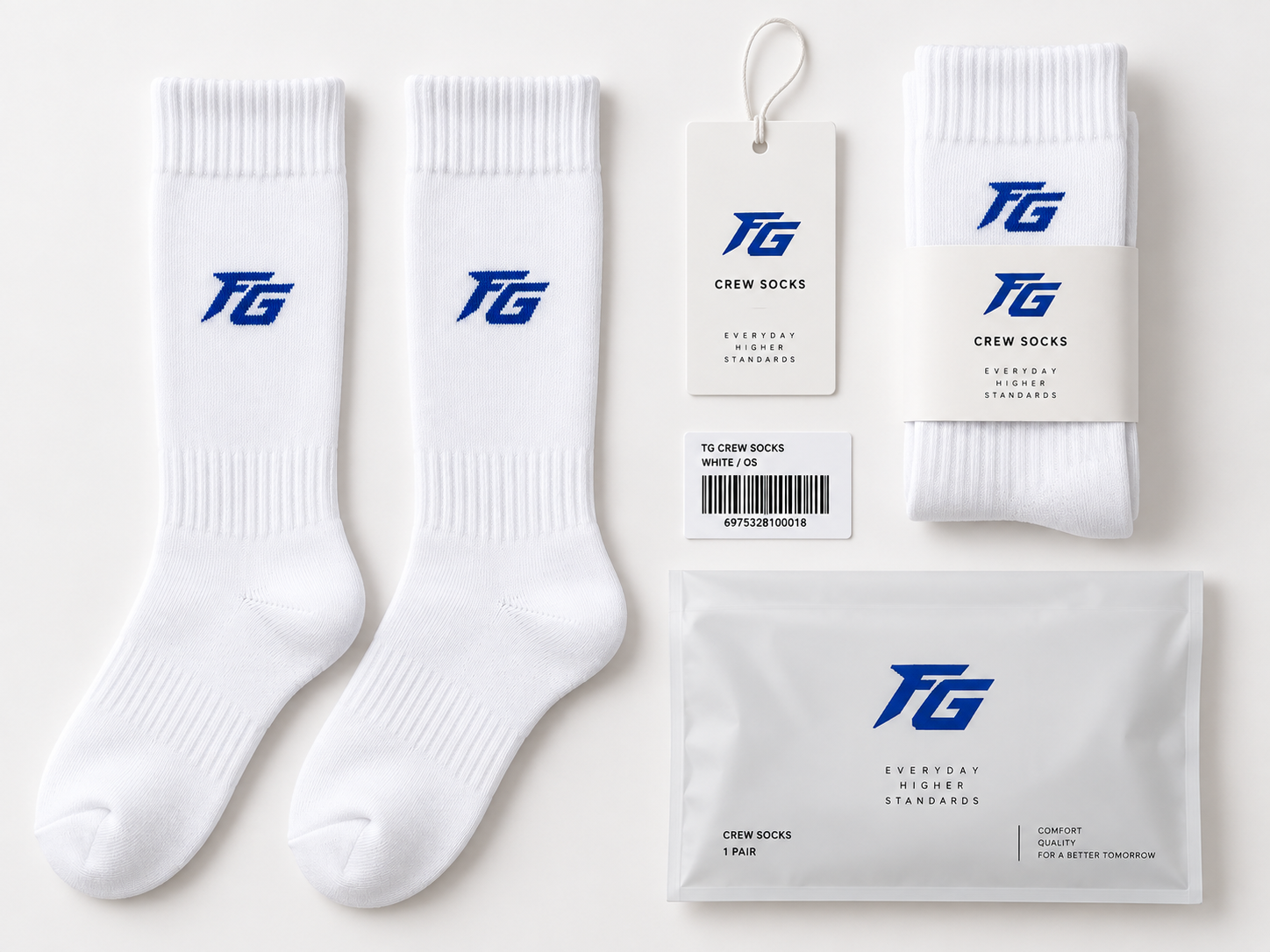
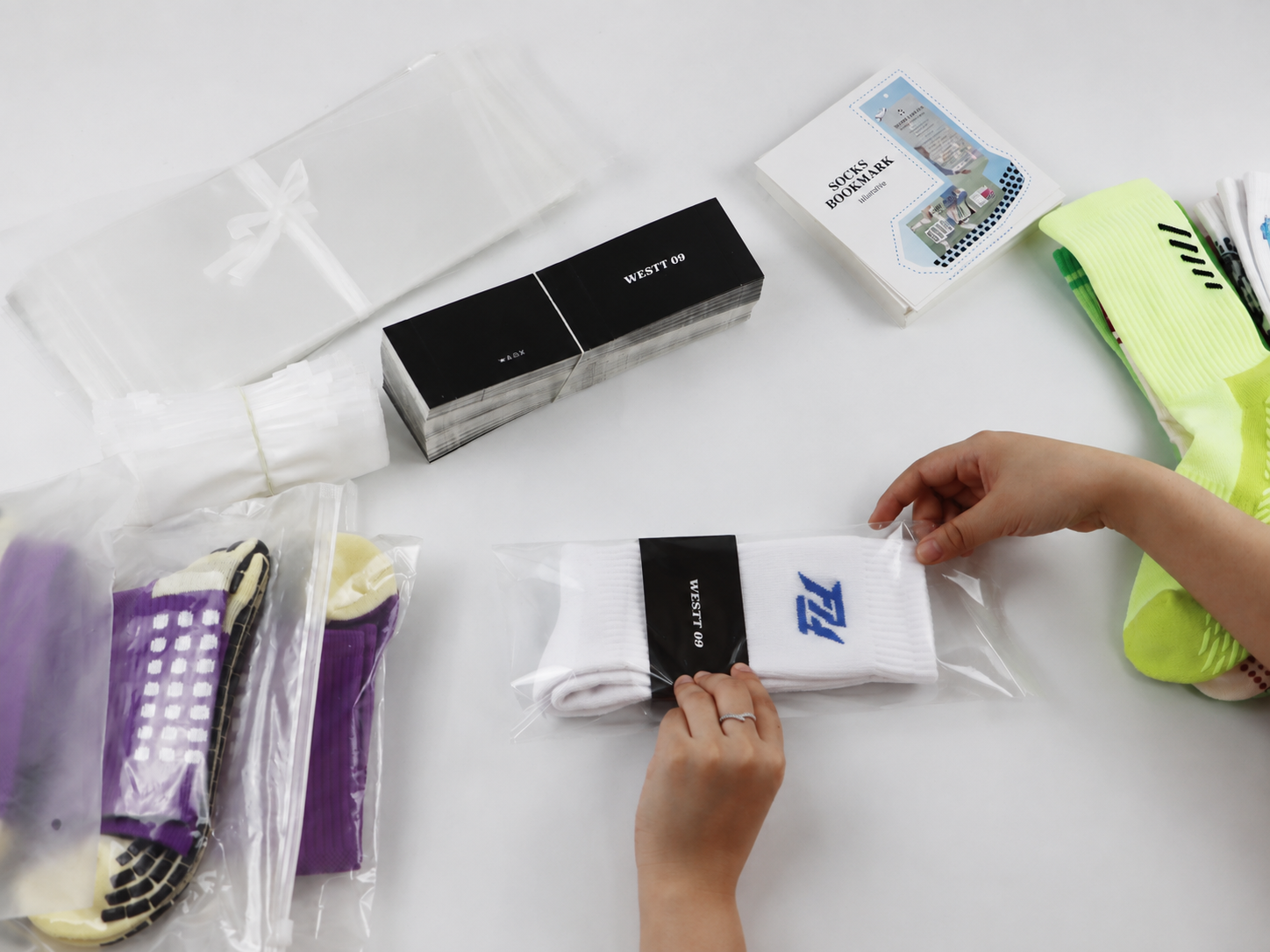
Fully custom sock retail program with socks, hangtag, barcode label, paper band and branded pouch

Retail-Ready Packaging System

Plan the sock, labeling, barcode information, paper band and final presentation as one coordinated retail program.
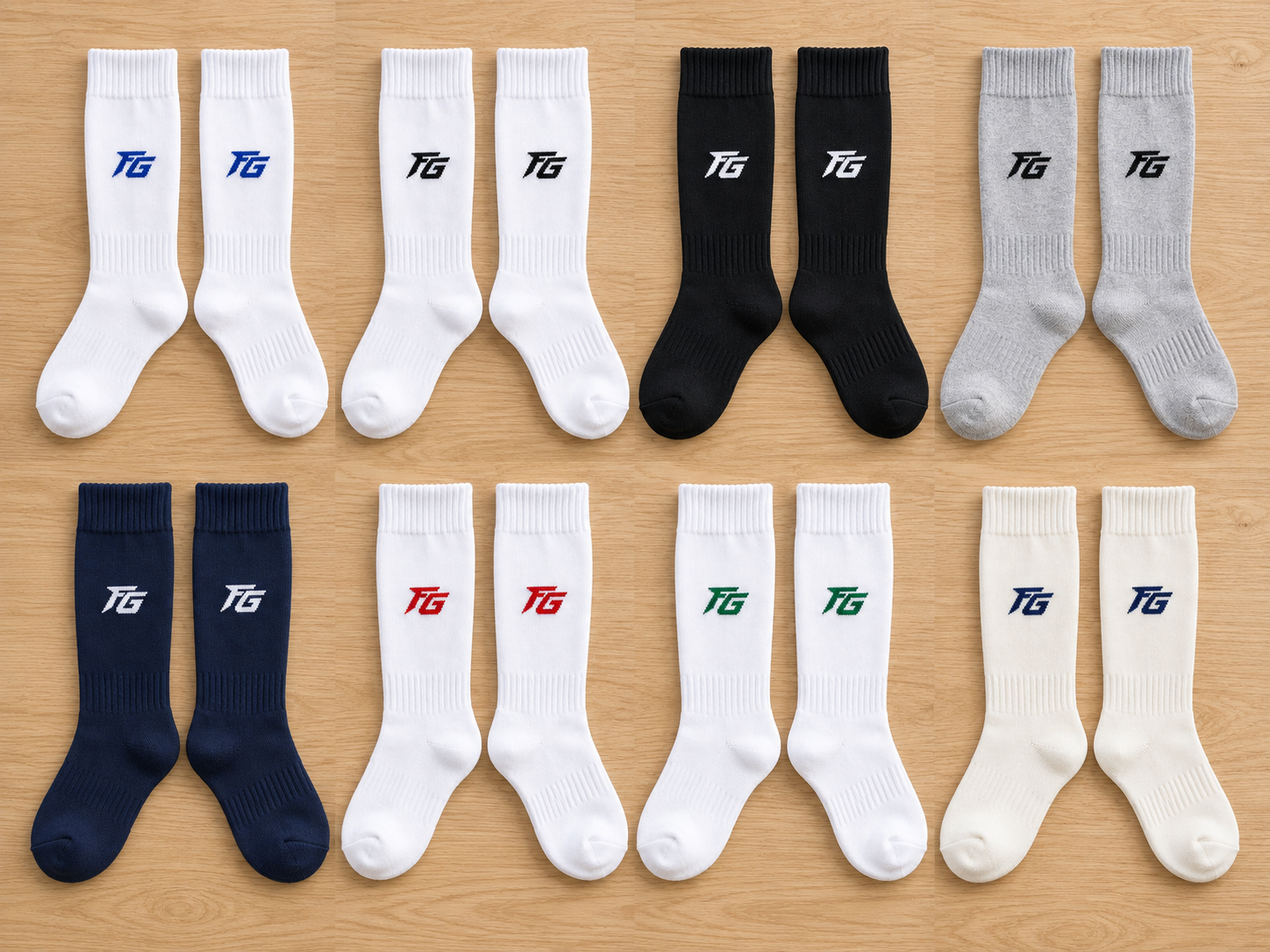
StriveSock product line sheet and packaging supporting repeatable custom retail programs
06 / Scale & Repeatability

A custom product should become easier to repeat, not harder.

The goal of development is not a single impressive sample. It is an approved product specification that can support repeat orders, additional colorways and a wider retail program.

Approved SpecDocument the product decisions that define the final product.
Repeat ProductionUse the approved direction as the baseline for future orders.
Color ExpansionAdd new colorways without redesigning the core product each time.
Program GrowthExtend the product into a broader assortment when the business case is clear.
Private Label or Fully Custom?

Use the simplest route that can deliver the right product.

Not sure where to start? The difference is less about how “premium” the order is and more about whether the product itself needs new development.

DecisionPrivate LabelFully Custom
Starting PointProven base styleNew product brief
Product ConstructionExisting / provenDeveloped around requirements
Custom ColorsYesYes
Branding / GraphicsYesYes, integrated into product development
Materials / Functional ZonesLimited by base styleDefined around the brief
Prototype ReviewProduct / branding sampleCore development stage
Development ComplexityLowerHigher
Best ForFaster launchDistinct product requirements
Explore Private Label Discuss a Custom Brief
Fully Custom FAQ

Questions to answer before development starts.

Exact MOQ, sampling cost and timing depend on product complexity and the development route. This page avoids inventing fixed commercial numbers before the brief is reviewed.

Fully Custom is appropriate when the product itself needs development beyond the standard choices available on a proven base style. That can include construction, material direction, fit, support, grip, compression, cushion or other brief-specific requirements.
Choose Private Label if an existing base already meets the core product need and you mainly want to customize branding, color and packaging. Choose Fully Custom when the product specification itself needs to change.
Useful information includes intended use, target customer, sock length, fit expectations, performance requirements, reference products or visuals, brand direction, retail channel and an expected quantity range.
Material and performance directions can be explored where they are technically and commercially appropriate for the project. The final specification depends on the brief and prototype evaluation.
Yes. Prototype and review are core parts of the custom-development process so fit, feel, function and visual execution can be evaluated before the approved specification moves into production.
Yes. Retail presentation can be planned alongside the product, including options such as paper bands, hangtags, boxes, SKU labels and barcode information where required by the program.
MOQ depends on the product specification, materials, construction and packaging requirements. The appropriate starting quantity should be confirmed after the brief is reviewed rather than using one generic number for every custom project.
Yes. One of the goals of the development process is to create an approved, repeatable product specification that can support reorders and future range expansion.
Have a Real Product Brief?

Build the product your brand actually needs.

Tell us the use case, product requirements, references and commercial context. We’ll help determine whether the right path is Fully Custom or a faster Private Label route.