 STRIVESOCK
When sourcing socks for a retail business or clothing brand, one of the first decisions is not necessarily which sock to buy. It is:
How should you buy it?
For many buyers, the two most practical options are wholesale socks and private label socks. Both can work well, but they solve different business problems.
Wholesale is usually better when you want to buy proven, ready-to-sell products quickly. Private label is usually better when you want the product to carry your own brand identity.
The right choice depends on:
- your launch stage
- order quantity
- branding requirements
- budget
- lead time
- inventory risk
- retail channel
- long-term product strategy
This guide explains the differences so you can choose the buying model that fits your business.
Quick Answer: Wholesale vs Private Label Socks
Wholesale Socks
You buy an existing product that is already developed. You usually choose from available styles, colors, sizes and packaging. The product can often be ordered faster and with less product-development work.
Private Label Socks
You start from an existing or proven sock base, but customize it for your brand. You may change logo, color, stripes, graphics, packaging, labels and barcodes. Private label requires more setup, but gives you a product that is more clearly connected to your brand.
Wholesale vs Private Label Socks at a Glance
| Factor | Wholesale Socks | Private Label Socks |
|---|---|---|
| Product development | Already developed | Existing base customized |
| Branding | Limited or supplier branding | Your own branding |
| MOQ | Often lower or more flexible | Usually based on style/color/size |
| Lead time | Usually faster | Longer due to customization |
| Sample requirement | Often optional | Recommended |
| Packaging | Standard | Can be customized |
| Cost per first order | Usually simpler | More setup cost |
| Inventory risk | Lower | Moderate |
| Brand differentiation | Lower | Higher |
| Best for | Retail testing / fast launch | Building a branded collection |
Neither model is automatically better. The key is choosing the right one for your stage.
What Are Wholesale Socks?
Wholesale socks for retailers start from developed product directions that business buyers can source for resale, subject to current stock and line-sheet terms. The supplier has already made decisions about sock construction, material, colors, sizes, production method and packaging format.
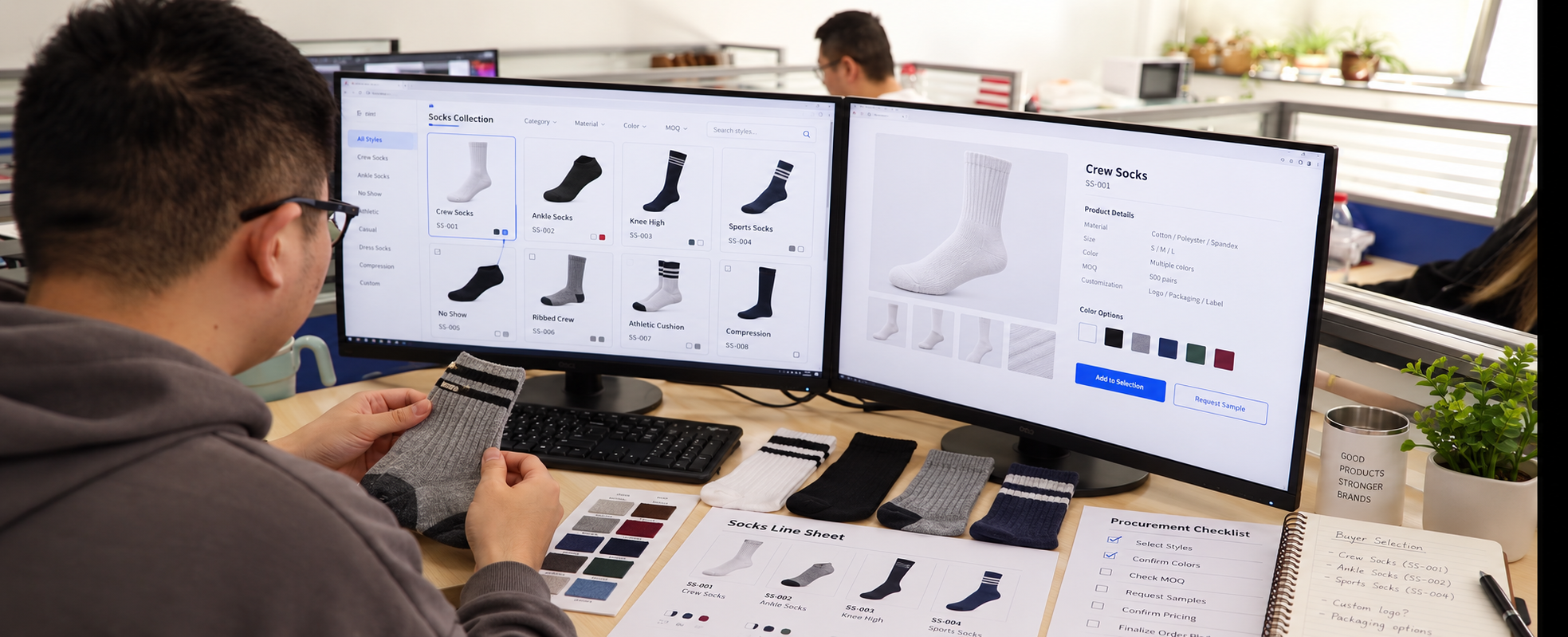
The buyer selects from those existing options. This makes wholesale one of the simplest ways to add socks to a retail assortment.
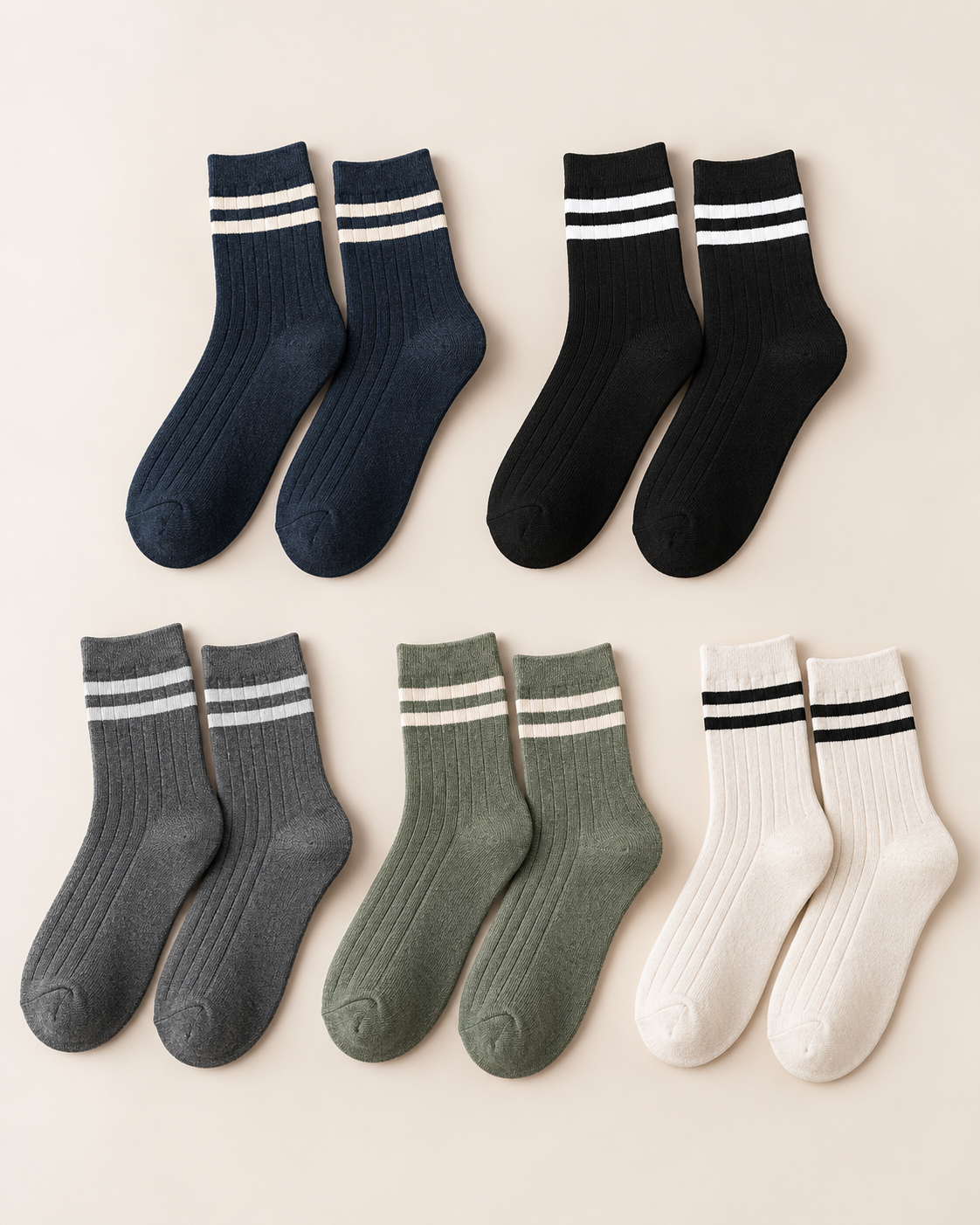
For example, a retailer might choose 100 pairs of black crew socks, 100 pairs of white crew socks and 50 pairs of performance socks without developing a new product specification.
Select → Buy → Sell → Reorder
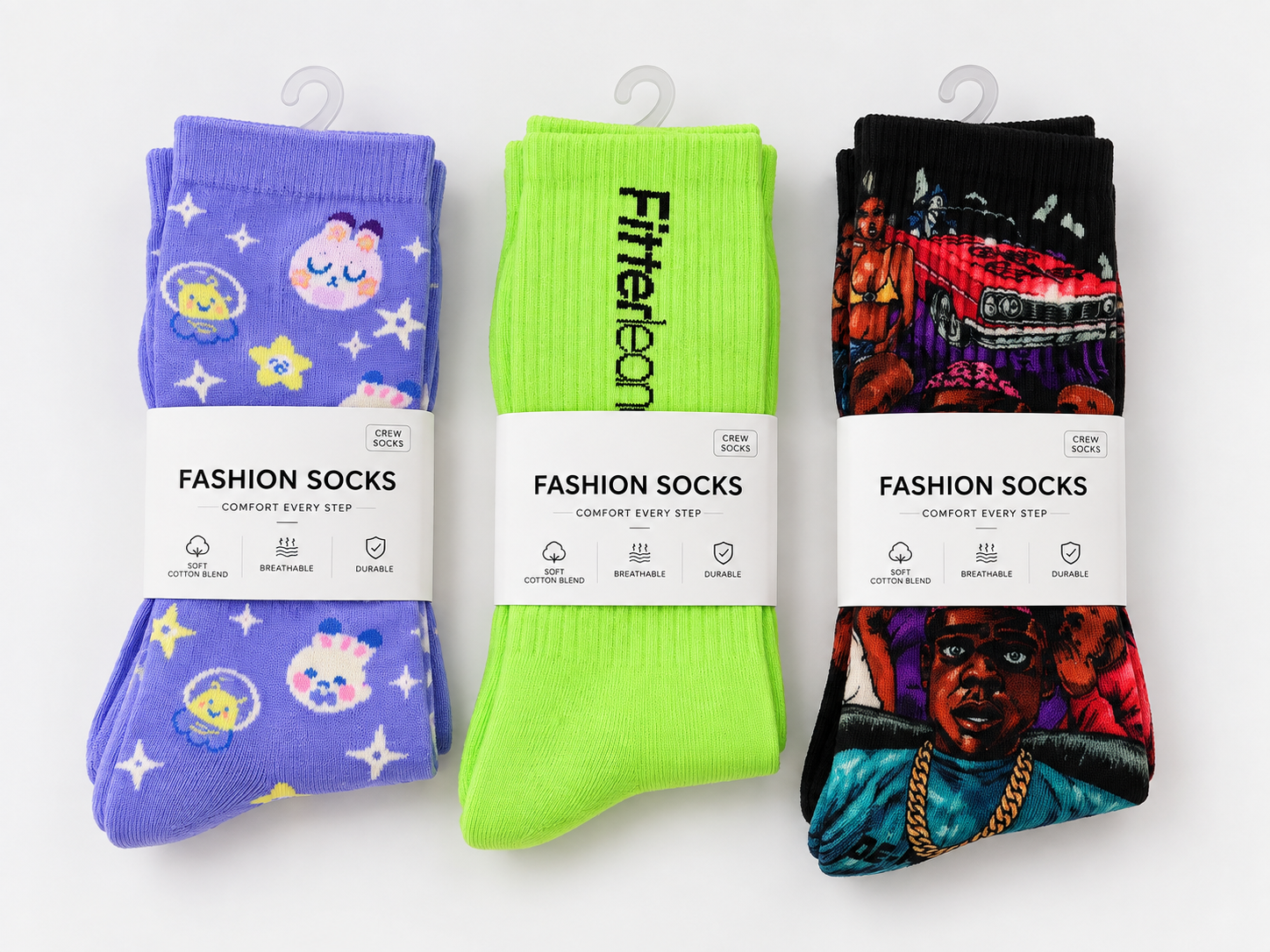
The focus is on purchasing and merchandising rather than product development.
Who Should Buy Wholesale Socks?
Retailers
A retailer may want to add socks to an existing product mix without investing in custom product development. Examples include fashion boutiques, sports retailers, gym stores, ecommerce stores and lifestyle retailers. The priority is often product availability, retail margin and reliable reorder supply.
New Ecommerce Sellers
A new ecommerce business may want to test whether socks perform well with its audience before developing a custom range. Wholesale allows the buyer to learn which styles sell, which colors perform, which price points work and how quickly products reorder.
Buyers Who Need Faster Launches
Because the product already exists, wholesale can often reduce the time between selection and delivery. That makes it useful for seasonal opportunities, retail restocks, promotional periods and fast product tests.
What Are Private Label Socks?
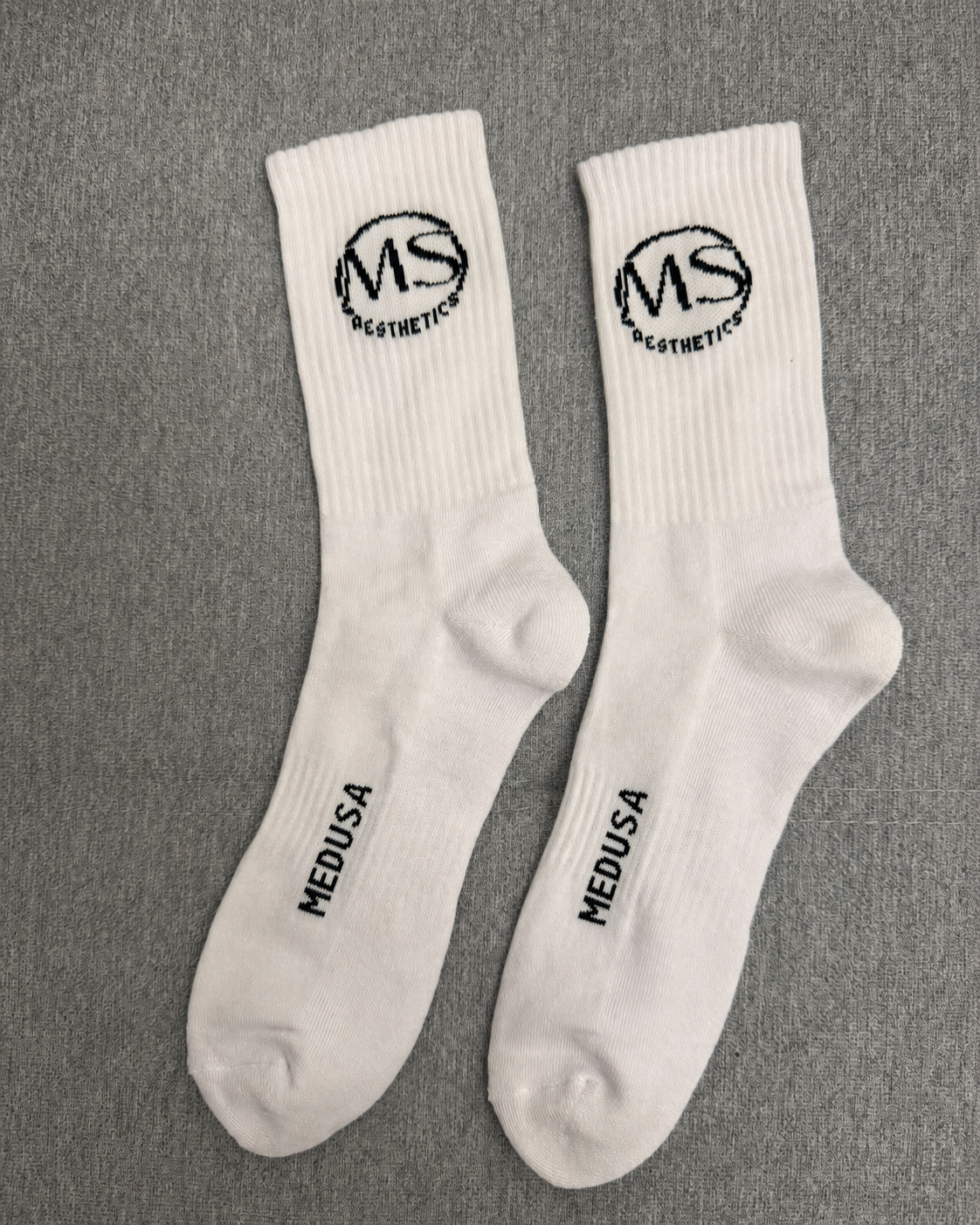
Private label socks start from a proven product direction but are customized for your brand. Instead of selling a completely standard product, you can create a more branded retail item.
Typical private label options may include:
- knitted logo
- jacquard artwork
- custom colors
- stripe changes
- silicone branding
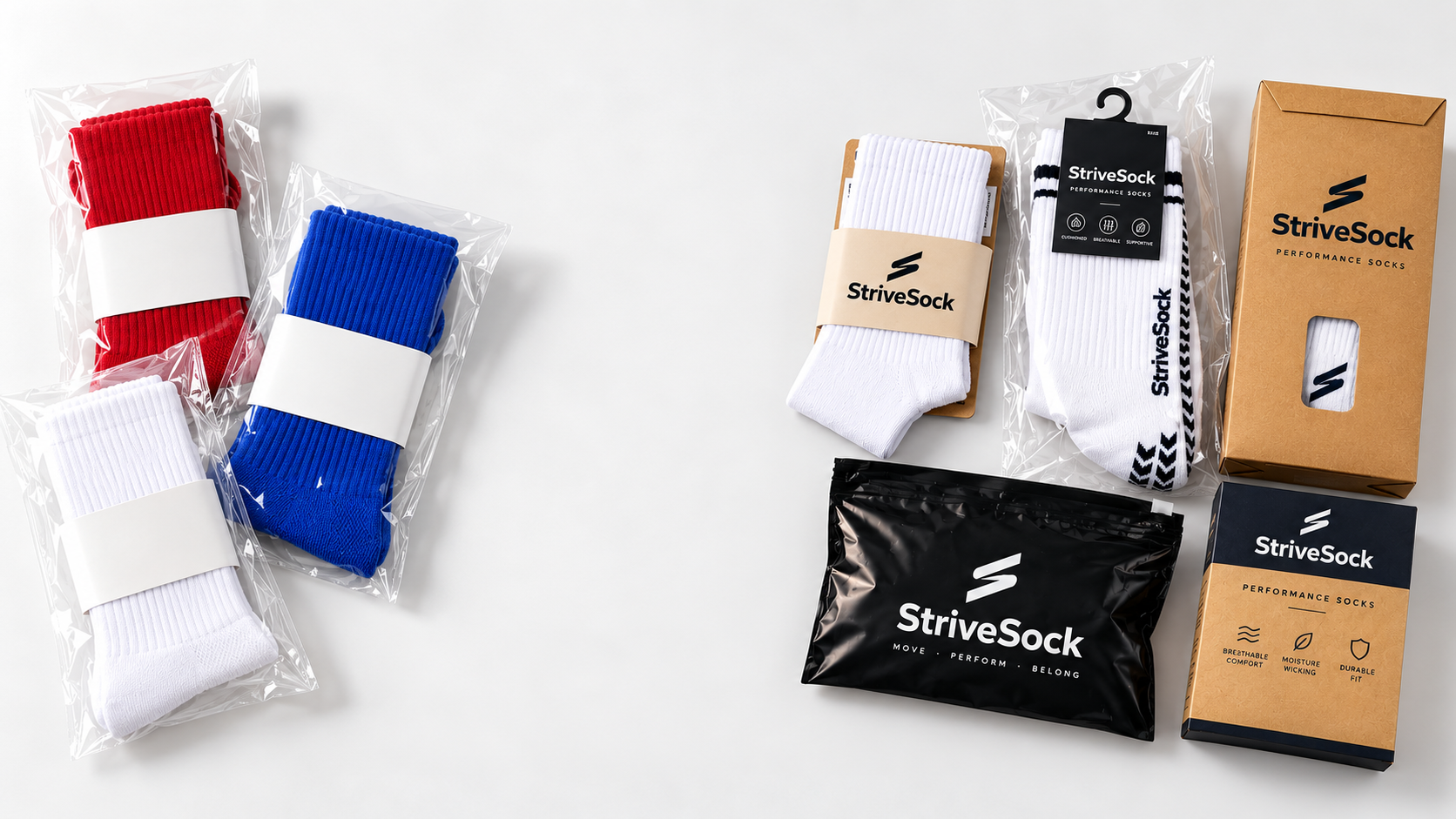
- paper bands
- hangtags
- retail boxes
- barcodes
- size labels
The actual sock structure may already be proven, but the customer-facing product becomes yours. This allows buyers to develop a more recognizable collection without necessarily building a completely new sock from zero.
Who Should Choose Private Label Socks?
Clothing Brands
A clothing brand may already have brand colors, a logo system, packaging style and a customer base. Adding socks under the same branding helps extend the collection.
Activewear Brands
Activewear brands can use private label socks to support an existing product line. Examples include running, training, football, yoga and Pilates brands. The sock can use an existing technical base while matching the brand's design direction.
Retailers Building Their Own Brand
Some retailers begin by selling other brands and later create their own products. Private label can be a useful bridge between pure wholesale buying and fully custom product development.
Ecommerce Brands Building Long-Term Product Equity
If the goal is not only to sell socks but to build a recognizable brand, private label provides more control over appearance, packaging, positioning and product consistency.
1. Branding: The Biggest Difference
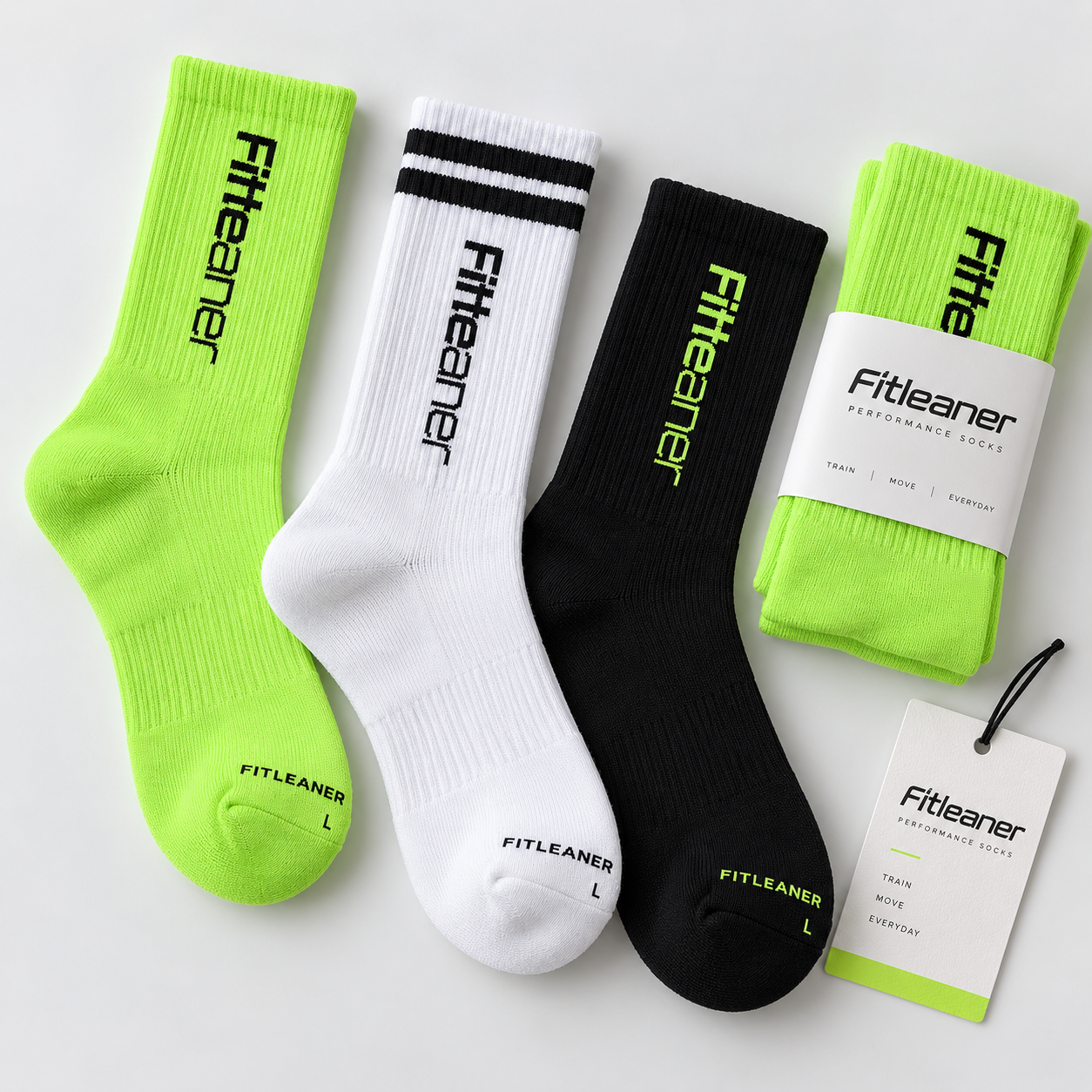
Branding is usually the clearest distinction between wholesale and private label. With wholesale, you are primarily selecting a finished product. With private label, you are creating a branded version of the product. This may include your logo on the sock, your own color palette, custom paper band, brand barcode and branded retail packaging. For customers, this changes the perception of the product. Instead of appearing as a generic accessory, the sock becomes part of the brand's product system. If your goal is long-term brand recognition, this matters.
2. MOQ: Which Buying Model Requires More?
Wholesale products often have lower development barriers because the supplier has already developed the product. The buyer may simply choose from existing inventory or existing production options. Private label socks usually involve more production planning. MOQ may be calculated by style, color, size, design or packaging. For some focused private label programs, starting quantities may be around 50 pairs per style, color and size combination, depending on the product and customization level.
3. Cost: Wholesale Is Simpler, Private Label Gives More Control
Wholesale pricing is usually easier to understand because fewer development steps are involved. Private label may include additional costs such as sample development, logo setup, custom colors, custom grip, packaging and artwork preparation. This does not necessarily mean private label is expensive; it means more of the product is being built specifically for your brand.
4. Lead Time: Wholesale Is Usually Faster
Wholesale normally has fewer approval steps. The buying process may look like Browse → Select → Order → Ship. Private label normally includes more stages: Select → Customize → Sample → Approve → Produce → Ship. That additional process takes time.
5. Inventory Risk
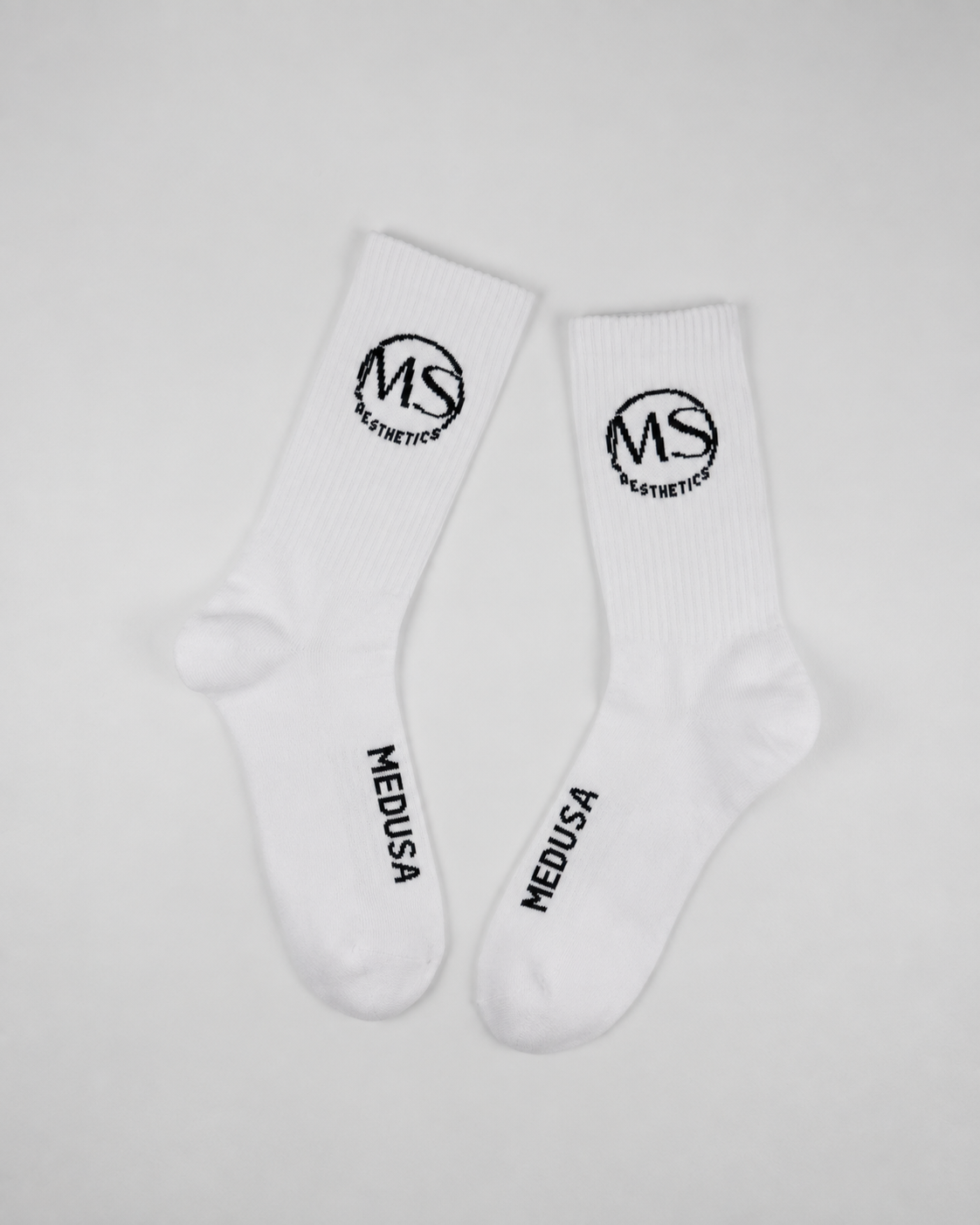
Inventory risk is one of the most important differences. Wholesale can be useful when a retailer does not yet know which products customers will prefer. Private label usually works better when the buyer already has a clearer idea of target customer, product category, colors, sizing and price position.
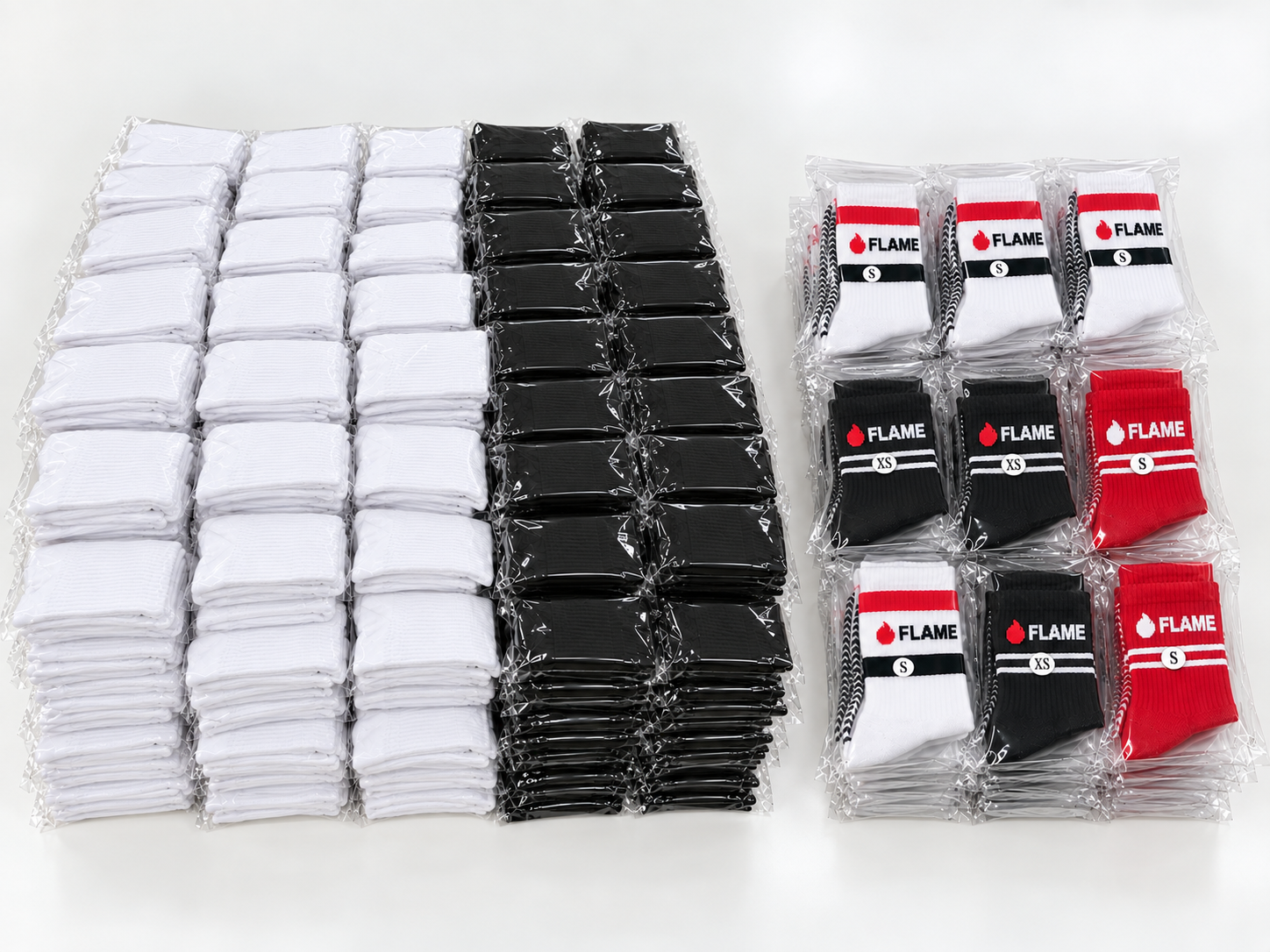
6. Product Differentiation
Wholesale products may also be available to other buyers, which can make differentiation more difficult. Private label gives you more control over visible product identity through logo, color, design details, packaging and collection structure.
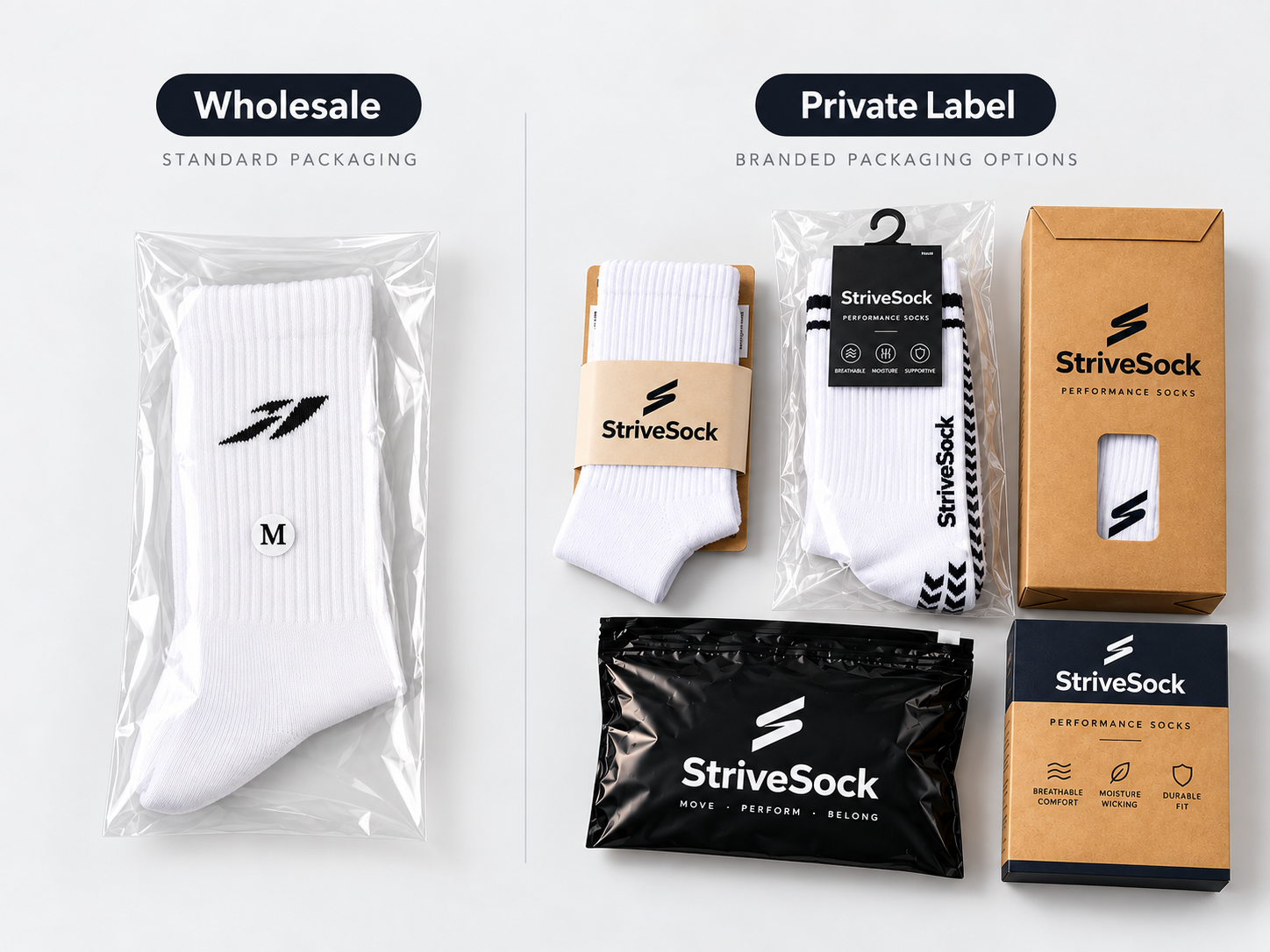
7. Packaging
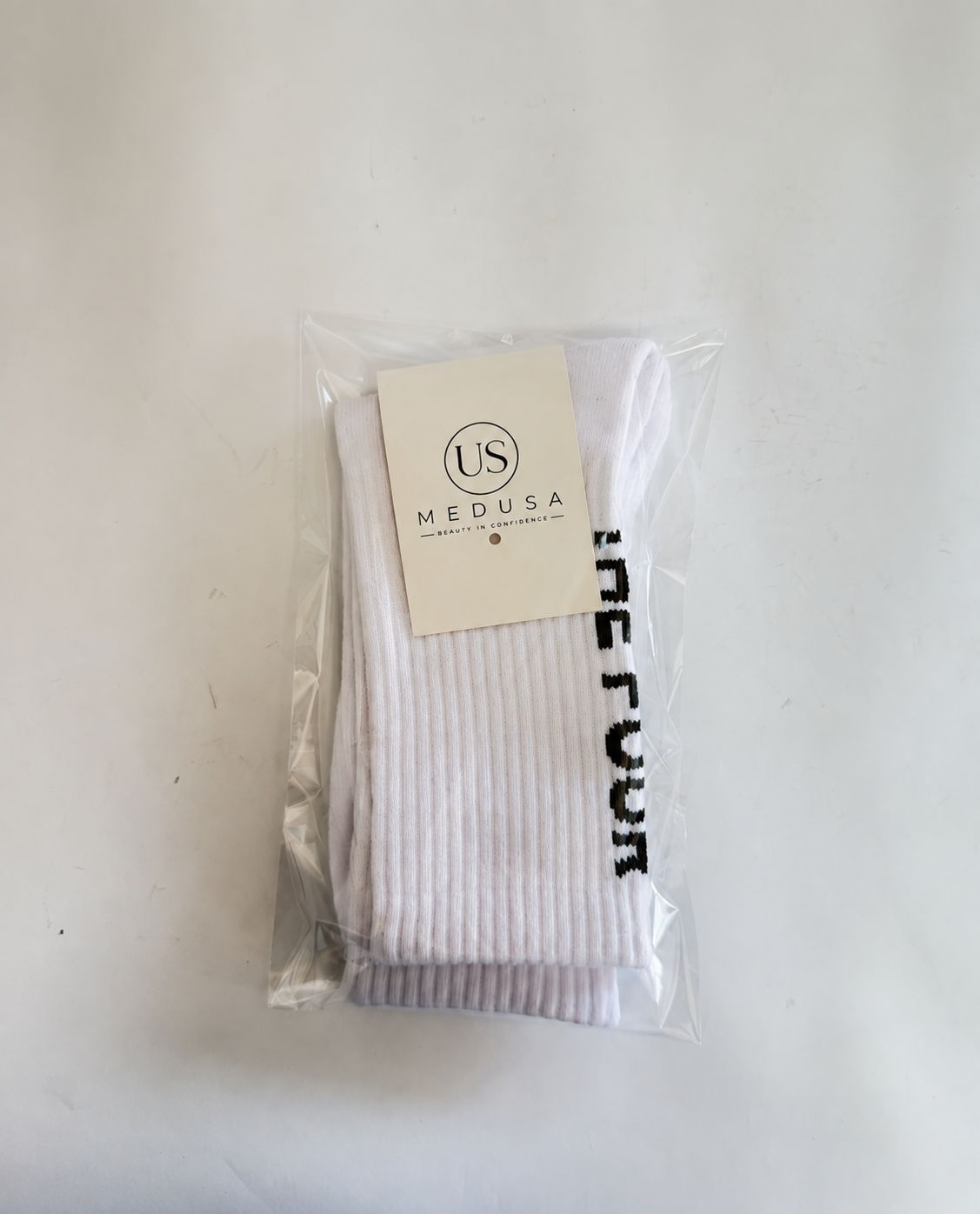
Wholesale products typically use an existing packaging format. Private label packaging can be designed around your own brand, including paper bands, hangtags, barcode stickers, boxes, size labels and SKU labels.
8. Reordering
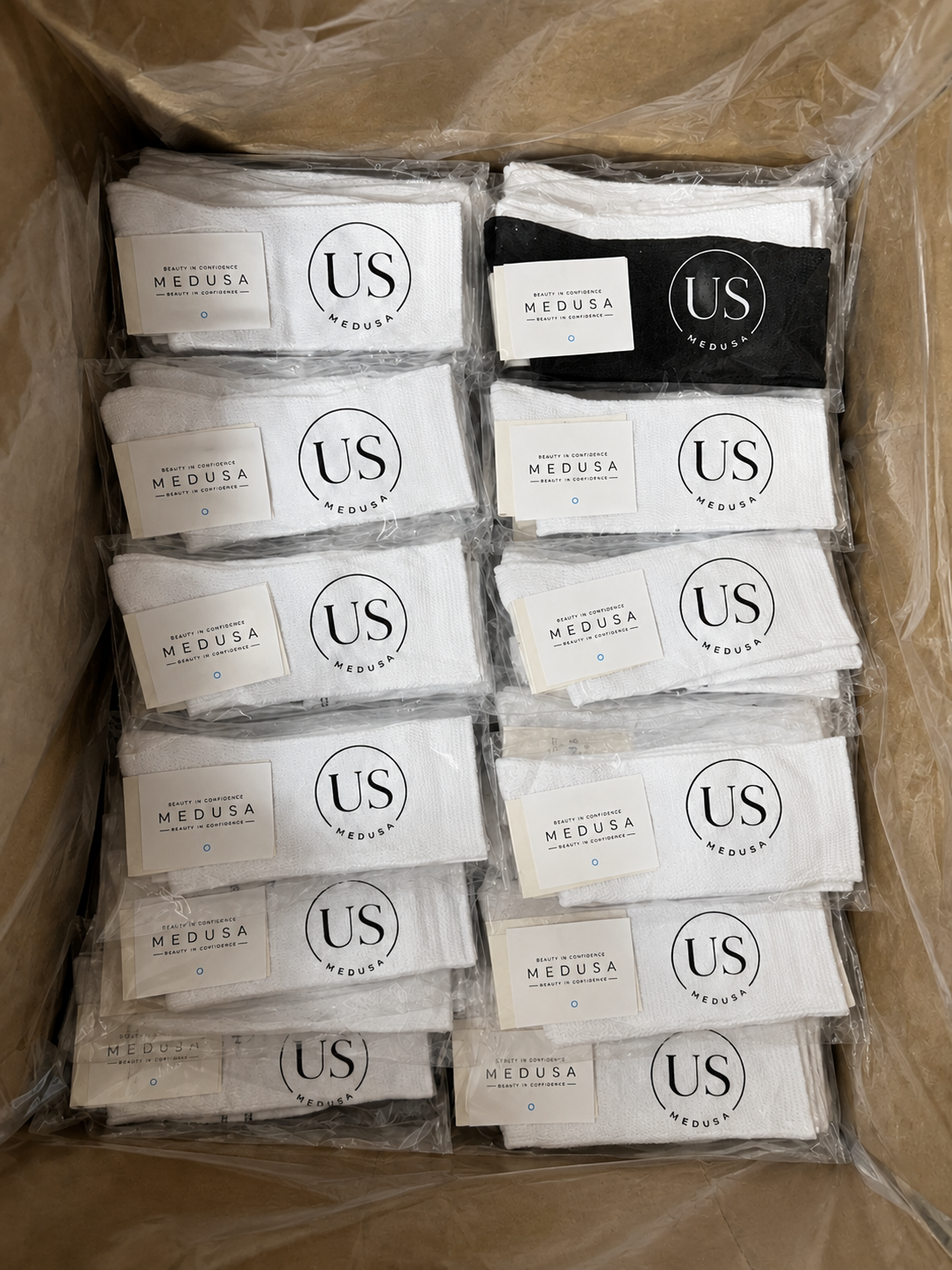
Both wholesale and private label can support repeat orders. Wholesale reorders are usually very simple because you reorder an existing SKU. The first private label order requires more development, but once the product has been approved, future orders can become much easier because the supplier can work from an approved specification.
The key question is not simply: “Which option has the lowest MOQ?”
It is: “How much inventory do I need to commit to before I know what sells?”
Wholesale vs Private Label: Example 1 — New Boutique
A small fashion boutique wants to add socks to its accessories category but has never sold socks before. The buyer is unsure whether customers will prefer retro crew socks, basic crew socks or performance socks.
In this situation, wholesale may be the lower-risk starting point. The store can test several products and use actual sales data to understand customer preference. Later, the best-performing style could become the basis for a private label version.
Wholesale vs Private Label: Example 2 — Existing Activewear Brand
An established activewear brand already has a logo, brand colors, ecommerce traffic, repeat customers and existing apparel collections. The company wants to introduce socks.
Selling generic wholesale socks may not fit the brand presentation. A private label route could start with one performance crew, one running sock, two core colors and branded packaging, creating a focused first sock collection while keeping product development manageable.
Wholesale vs Private Label: Example 3 — New Online Brand
A new ecommerce founder wants to launch a sock-focused brand but has limited market data.
Strategy A — Wholesale First: use several existing styles to test product category, price, colors and marketing messages, then private label the best performer.
Strategy B — Small Private Label Launch: choose one or two proven base styles and customize logo, core colors and packaging while keeping the first range small.
Both strategies can work. The right choice depends on how important branded differentiation is from day one.
Can You Combine Wholesale and Private Label?
Yes. In fact, a hybrid model can be very practical. A retailer could use wholesale for seasonal products, trend-driven styles, wider assortment and product testing, while using private label for core products, repeat sellers, signature styles and branded collections.
Flexibility + Brand Ownership
This allows the business to combine two sourcing models instead of choosing only one forever.
When Should You Move From Wholesale to Private Label?
Wholesale can be an excellent starting point. Signals that it may be time to develop a private label version include:
- one style consistently sells well
- customers repeatedly reorder the same product
- you want stronger brand recognition
- you want custom packaging
- you want your own colors
- you want to increase differentiation
- the category has become important to your business
At that stage, you are no longer guessing whether the product category works. You are improving a product direction that already has demand.
When Should You Stay With Wholesale?
Private label is not always necessary. Wholesale may remain the better buying model when:
- you need fast restocks
- you frequently change product ranges
- you sell many categories
- your customers care more about product function than branding
- you do not want to manage product development
- the sock category is relatively small within your overall business
The right sourcing model should support the way your business actually operates.
When Is Fully Custom Better Than Private Label?
If an existing sock base cannot deliver the product you need, fully custom development may be more appropriate. For example, you may require unique sock height, special compression zones, a new cushioning layout, proprietary grip construction, a new yarn blend, unique fit or exclusive technical features.
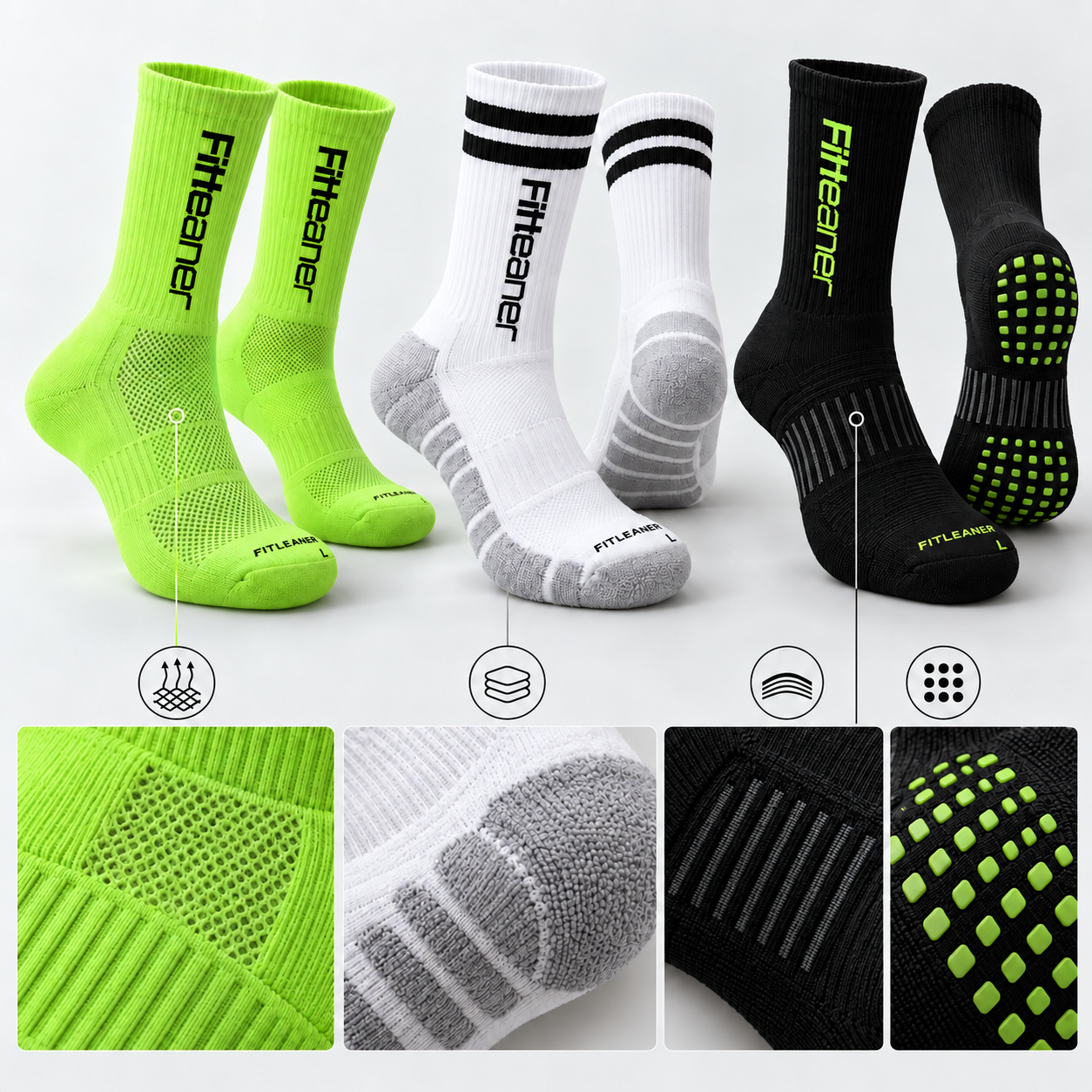
A simple way to think about the three models is:
Wholesale
Choose an existing product.
Private Label
Brand and customize an existing proven product.
Fully Custom
Develop a new product specification.
Wholesale vs Private Label Socks: Decision Checklist
| Question | Wholesale May Fit Better | Private Label May Fit Better |
|---|---|---|
| Do you need a fast launch? | ✓ | |
| Are you testing a new category? | ✓ | |
| Do you want lower development complexity? | ✓ | |
| Do you need your own logo? | ✓ | |
| Are brand colors important? | ✓ | |
| Do you need custom packaging? | ✓ | |
| Are you building a long-term collection? | ✓ | |
| Do you already know which product direction works? | ✓ | |
| Do you need multiple products quickly? | ✓ | |
| Do you want greater product differentiation? | ✓ |
This is not a scorecard. It is simply a way to identify which sourcing priorities matter most to your project.
What Information Should You Send a Supplier?
Whether you are buying wholesale or private label, a clear buying brief speeds up the process.
For wholesale, provide:
- product category
- approximate quantity
- preferred colors
- sizes
- destination
- target retail channel
For private label, also provide:
- logo
- color references
- preferred logo placement
- packaging requirements
- desired customization
- target launch date
The more specific the brief, the easier it is for the supplier to recommend the correct buying route.
FAQ: Wholesale vs Private Label Socks
What is the difference between wholesale and private label socks?
Wholesale socks are existing products purchased in bulk. Private label socks use an existing or proven product base but are customized with your branding, colors, graphics or packaging.
Is wholesale cheaper than private label?
Wholesale usually has fewer development and setup costs. Private label may cost more initially because additional customization is involved. However, the final difference depends on the product specification, order quantity and packaging.
Which option has the lower MOQ?
Wholesale may offer lower buying barriers because the product is already developed. Private label MOQ can depend on style, color, size, logo and packaging. Always confirm how the supplier calculates MOQ.
Can I add my logo to wholesale socks?
If you add your own branding to the product, the order generally moves toward a private label program rather than standard wholesale. The exact options depend on the supplier.
Is private label the same as custom socks?
Not always. Private label often begins with an existing base style and adds branding or design customization. Fully custom socks involve deeper changes to construction, fit or technical features.
Should a new brand start with wholesale or private label?
It depends on the business. A brand that wants to test demand with minimal product-development work may prefer wholesale. A brand that already has a clear identity and wants branded products may prefer a focused private label launch.
Can I switch from wholesale to private label later?
Yes. A buyer can test existing products first, identify successful styles, then create branded versions for future orders.
Can retailers use both wholesale and private label?
Yes. Many businesses can use wholesale for assortment flexibility and private label for core branded products.
Build the Buying Model Around Your Stage
The right sourcing model depends on what your business needs today.
If your priority is speed, flexibility and product testing, wholesale may be the better starting point.
If your priority is branding, differentiation and collection building, private label may be more suitable.
And if your product cannot be created from an existing base, fully custom development may be the next step.
The important thing is not to choose the most advanced sourcing model. It is to choose the one that gives your business enough information, enough flexibility and a clear path to reorder.
← Back to Blog